DIY Litsea Cubeba Room Spray for a Clean, Sunny Home
There is something quietly satisfying about walking into a room that smells like the inside of a ripe Meyer lemon, lifted with a faint floral edge and dried down with the softest hint of grass. That is the signature of litsea cubeba oil, the small-berried Southeast Asian wonder also known as may chang. A litsea cubeba room spray captures that brightness and distributes it evenly through a space in seconds.
This recipe is straightforward enough for a first attempt yet flexible enough that experienced blenders will find room to riff. Total active prep time runs about ten minutes once you have your materials assembled. The result is a spray that works on linen, in the air, or as a quick refresh for fabric upholstery.
Why Litsea Cubeba for a Room Spray?
Most citrus essential oils are cold-pressed from fruit rinds. That process yields oils rich in limonene but relatively short-lived in the bottle and in the air. Litsea cubeba is different. It is steam-distilled from the fruit of Litsea cubeba (Lour.) Pers., a flowering tree in the laurel family, and its dominant aromatic compound is citral: a blend of geranial and neral that sits closer to lemon verbena or lemongrass than to a grocery-store lemon.
The practical upside for a room spray is longevity. Citral is a middle-to-top note that lingers noticeably longer than limonene-dominant oils. You get brightness that actually stays in the room rather than vanishing the moment the mist settles. For a deeper look at how may chang behaves in blends over time, see our guide to blending with litsea cubeba: the ultimate citrus that lasts.
What You Will Need
Equipment
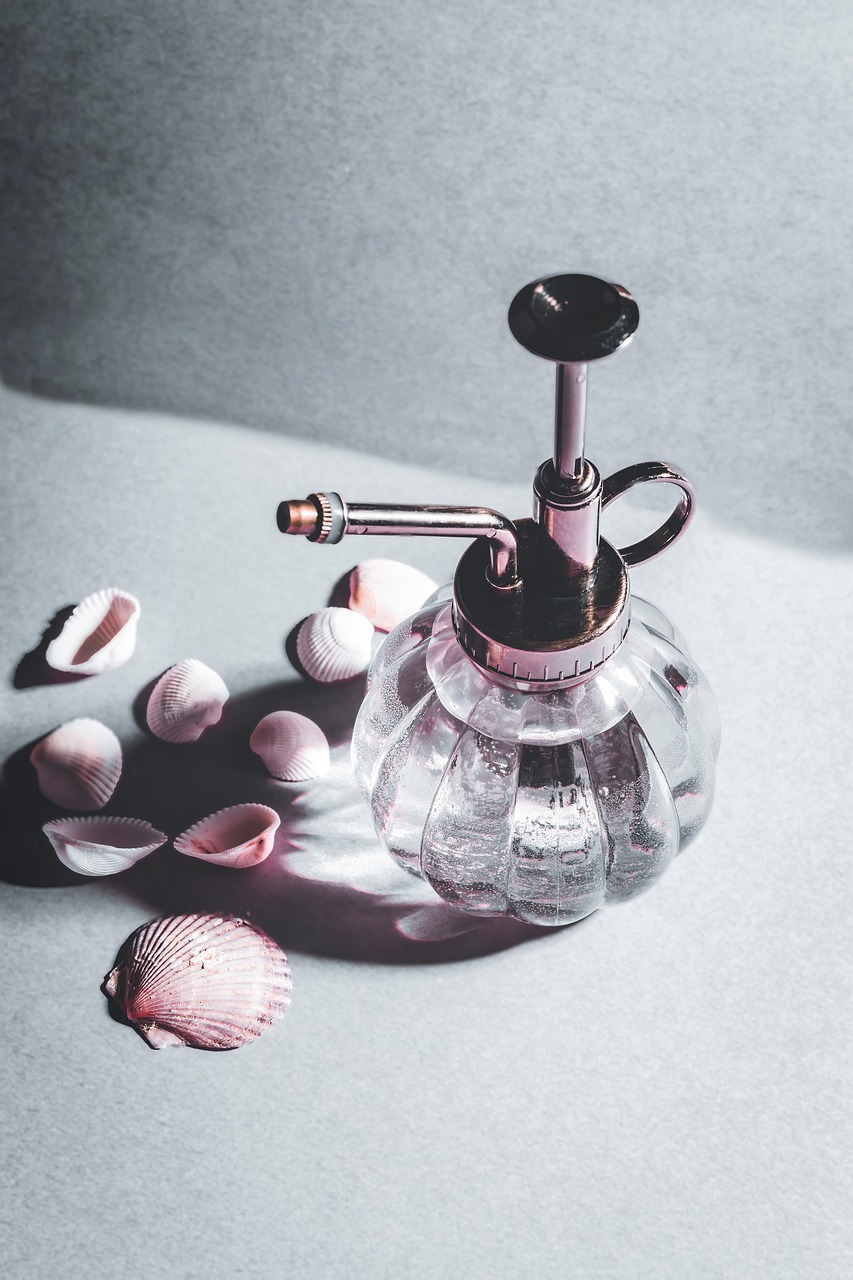
- One 4-ounce (120 ml) fine-mist glass spray bottle, preferably amber or cobalt
- Small measuring jug or graduated cylinder
- Dropper or pipette for essential oils
- Funnel (optional but helpful)
- Adhesive label and permanent marker
Ingredients
| Ingredient | Amount | Purpose |
|---|---|---|
| Distilled water | 90 ml (approx. 3 fl oz) | Base carrier |
| High-proof alcohol (190-proof grain or 91% isopropyl) | 25 ml (approx. 5 tsp) | Dispersant and preservative |
| Litsea cubeba essential oil | 30 drops (approx. 1.5 ml) | Primary fragrance |
| Cedarwood essential oil (Atlas or Virginia) | 10 drops | Warm, woody base note |
| Lavender essential oil | 8 drops | Floral bridge, smooths the blend |
| Rosemary essential oil (ct. camphor or ct. verbenone) | 4 drops | Green, herbaceous lift |
Total essential oil: 52 drops in approximately 115 ml of finished spray. That works out to roughly 2.3% dilution, well within safe parameters for an air and fabric spray used in a ventilated room. See the safety section below for full context.

Step-by-Step Instructions
- Prepare your bottle. Make sure the glass spray bottle is clean and completely dry. Any residual water from washing can shorten shelf life. A quick rinse with the grain alcohol and a shake-out works well.
- Measure the alcohol. Pour 25 ml of high-proof grain alcohol into the bottle first. Alcohol is your dispersant: it helps essential oils mix into the water rather than floating on top. Skipping this step leaves you with a bottle that needs vigorous shaking every single use and still may not spray evenly.
- Add the essential oils. Drop the litsea cubeba oil in first, then cedarwood, then lavender, then rosemary. Adding the oils directly to the alcohol before water improves initial dispersion. Give the bottle a gentle swirl.
- Add the distilled water. Pour in the 90 ml of distilled water slowly. Use a funnel if your bottle has a narrow neck. Distilled water matters here: tap water introduces minerals that can cloud the spray and encourage microbial growth over time.
- Secure the spray top and shake. Cap the bottle, shake firmly for about twenty seconds, and hold it up to the light. You should see a milky-to-translucent liquid. Some cloudiness is normal and will not affect performance.
- Label immediately. Write the date of preparation, the contents, and any key safety notes ("Not for use near eyes. Keep away from children and pets.") on your label. This step is easy to skip and almost always regretted later.
- Test spray. Aim at a small fabric swatch or an inconspicuous corner of upholstery. Let it dry fully. Check for any color change or residue before using more broadly.
How to Use Your Litsea Cubeba Room Spray
Shake the bottle for five to ten seconds before every use. Essential oils and water do not mix permanently, so settling between uses is expected.
- Air mist: Hold the bottle about two feet from the center of the room and spray two or three times in a slow arc. Move to a second position for even coverage.
- Linen spray: Hold about twelve inches from pillowcases, curtains, or cushion covers. One light mist is usually enough. Allow fabric to dry before contact with skin.
- Entryway refresh: A single pump near a front door as you head out can help neutralize lingering cooking odors. Let the mist settle for a minute before locking up.
This diy citrus spray is not formulated for direct skin contact. Please see the safety notes below.
Safety Warnings
Please read before use. These are not optional guidelines.
Dilution and Skin Contact
This recipe is formulated for air and fabric use only. The 2.3% dilution used here is appropriate for those applications in a ventilated space. It is not tested or intended as a direct skin spray, body mist, or leave-on product. If you adapt this recipe for skin contact, a dilution of 1% or below is generally considered appropriate for leave-on products, and litsea cubeba should never be used undiluted on skin.
Citral Sensitization
Litsea cubeba has one of the highest citral concentrations of any commonly available essential oil, often between 65% and 80%. Citral is a recognized sensitizer. Repeated high-level exposure over time may lead to skin sensitization in some individuals. Using the oil in an air spray at appropriate dilution reduces direct contact risk significantly, but individuals with known citrus sensitivities should ventilate the room well and avoid inhaling the mist at close range.
Fabric Patch Test
Always spray a hidden spot of any fabric and allow it to dry completely before broader use. Alcohol-based sprays can occasionally affect delicate fabrics, silk, or certain synthetic dyes.
Pregnancy and Nursing
Those who are pregnant or nursing should consult a qualified healthcare provider before using essential oil sprays in enclosed spaces.
Children, Pets, and Sensitive Individuals
Do not spray directly around infants, toddlers, or cats. Cats in particular lack the liver enzymes needed to process many aromatic compounds. Spray in an unoccupied room and allow it to air for several minutes before reintroducing pets or young children. Consult a veterinarian if you have specific concerns about your animal companions.
Flammability
High-proof grain alcohol is flammable. Do not spray near open flames, candles, or gas stovetops. Store the finished product away from heat sources.
Storage Instructions and Shelf Life
Store your may chang spray in a cool, dark location: a cabinet or drawer away from direct sunlight and heat. Citral-rich oils can oxidize and the fragrance profile will shift if exposed to light and warmth over time.
Properly stored, this spray should remain pleasant and effective for four to six weeks. If you notice any cloudiness beyond the usual milky dispersion, an off smell, or separation that does not resolve with shaking, discard the batch and make a fresh one. Room sprays made with water are not shelf-stable indefinitely, even with alcohol present.
Making smaller batches more frequently is a better approach than keeping a large bottle for months.
Variations and Substitutions
The Spice Route Version
Swap the rosemary for 4 drops of black pepper essential oil and reduce the cedarwood to 8 drops. Add 6 drops of cardamom essential oil. The result reads warmer and more complex, closer to a spiced citrus fragrance than a clean green one. This version works especially well in a home office or a reading room.
The Floral Citrus Version
Replace the cedarwood entirely with 10 drops of geranium (Pelargonium graveolens) and increase the lavender to 12 drops. Drop rosemary to 2 drops or omit it. This variation softens the may chang spray considerably and leans into the rosy, slightly green facets of geranium that pair beautifully with litsea cubeba's lemon-verbena character. For more pairing ideas, the article on what blends well with litsea cubeba: 12 partners for may chang covers the full range of directions this oil can take.
The Unscented Base Version
If you want to use litsea cubeba solo for a cleaner, more ingredient-forward result, simply use 40 drops of litsea cubeba oil and omit the supporting oils. The spray will read as a straightforward bright lemon-grass-verbena mist. Simpler is sometimes exactly right.
Alcohol Substitution
If you cannot access high-proof grain alcohol (Everclear is commonly available in many US states), 91% isopropyl alcohol is a functional substitute for a room spray. It carries a slight solvent note that dissipates quickly once dry. Do not use lower-proof alcohol (vodka at 40% proof, for instance): it lacks sufficient alcohol content to properly disperse the oils and will shorten effective shelf life.
Adding Witch Hazel
A popular variation swaps half the distilled water for alcohol-based witch hazel (not glycerin-based). Witch hazel adds a mild astringency that some people find pleasant on fabric. Use the same total liquid volume and follow the same process.
A Note on Oil Quality
The litsea cubeba you use here matters more than in a deeply blended perfume where many layers compete for attention. In a simple room spray with only four ingredients, the primary oil is exposed. A poor-quality or adulterated may chang oil, often stretched with synthetic citral or blended with lemongrass fractions, will smell sharp, thin, and slightly chemical in the air. A quality steam-distilled oil from a reputable supplier will have roundness, the faint floral and waxy undertone that separates real Litsea cubeba fruit distillate from a citral isolate.
If your oil smells almost identical to pure lemongrass at first sniff, ask your supplier for a GC/MS report. The terpene and ester profile will tell you whether you have genuine may chang or a blend.
Litsea cubeba's aromatic range extends well beyond the living room. Those curious about its culinary dimensions will find a different perspective in our piece on litsea cubeba in the kitchen: culinary notes on may chang. Spoiler: the same brightness that lifts a room works just as thoughtfully in a dessert or a marinade, though culinary use requires food-grade sourcing and its own set of guidelines.
Difficulty Level and Prep Time
- Difficulty: Beginner-friendly. No heat, no complex chemistry, no specialized equipment beyond a clean glass bottle.
- Prep time: 10 minutes active, plus a few minutes for a fabric patch test before first full use.
- Batch size: One 4-ounce bottle, enough for several weeks of regular use in an average-sized room.
Once you have made the base recipe once, the variations open up quickly. This is one of those projects that tends to become a regular part of a home routine precisely because it is fast, the ingredients are affordable, and the results are immediately noticeable the moment you walk through the front door.