Citrus Beyond Citrus
Vivid, sweet lemon citral from litsea cubeba pushes past the opening and keeps citrus accords loud long after expressed peel fades.
Litsea cubeba, called may chang in its native China, is the citrus oil that never grew on a citrus tree. Steam-distilled from the small pepper-like fruits of Litsea cubeba, it pours out an intense, lemon-drop brightness that outlasts nearly every true citrus in a blend.
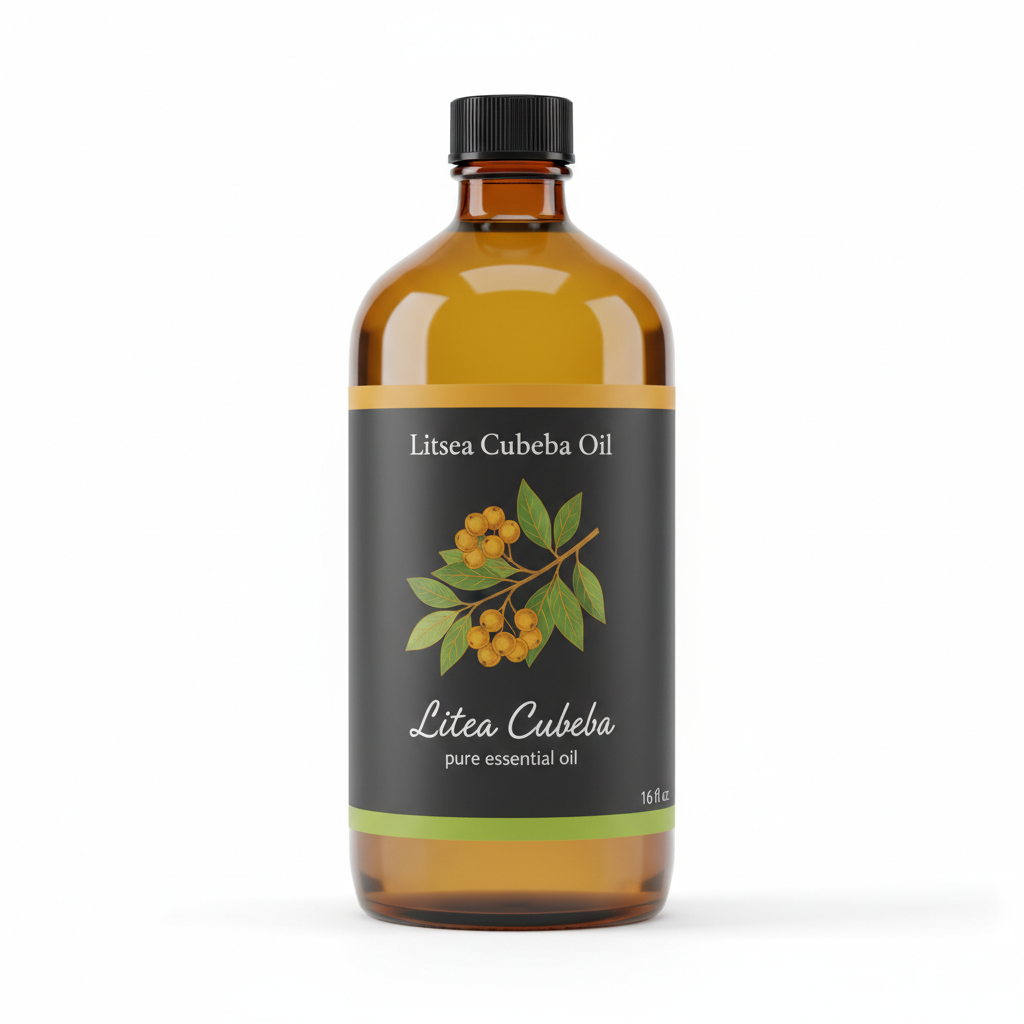
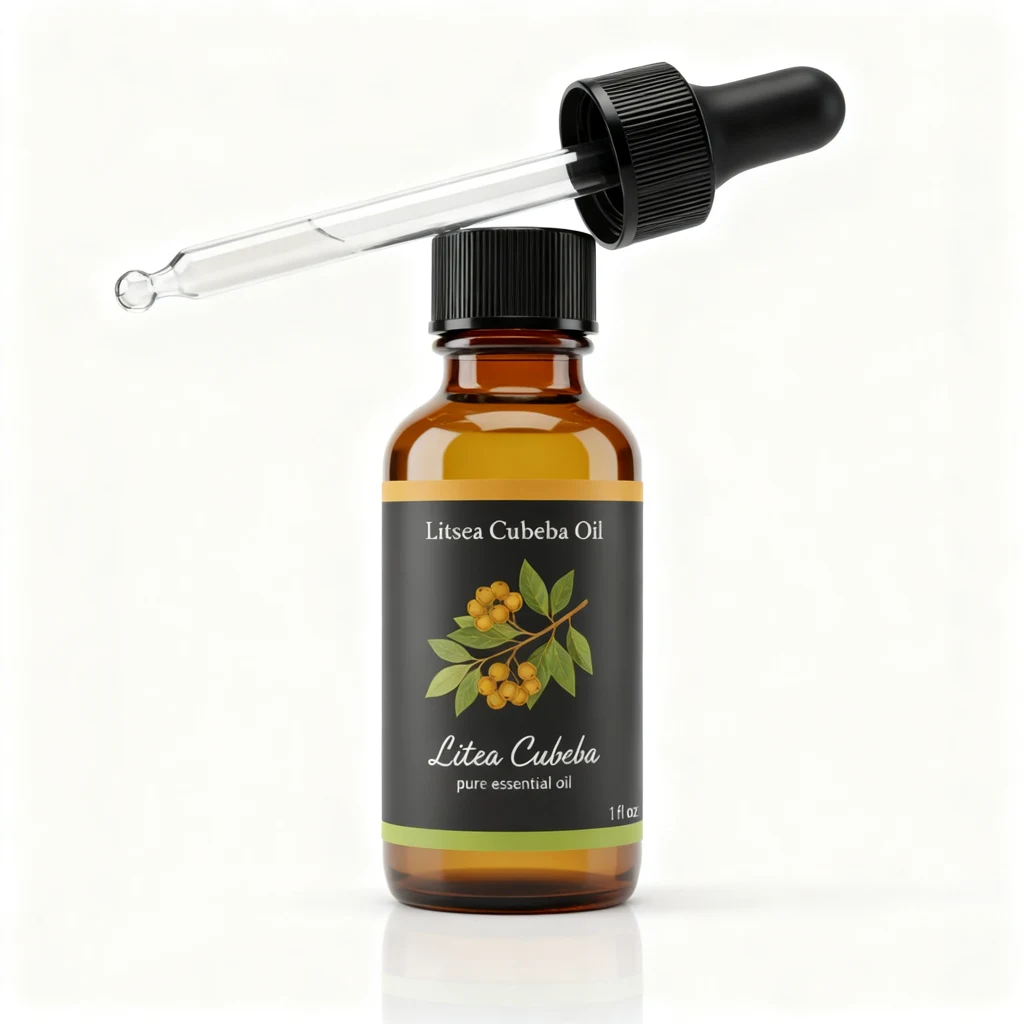
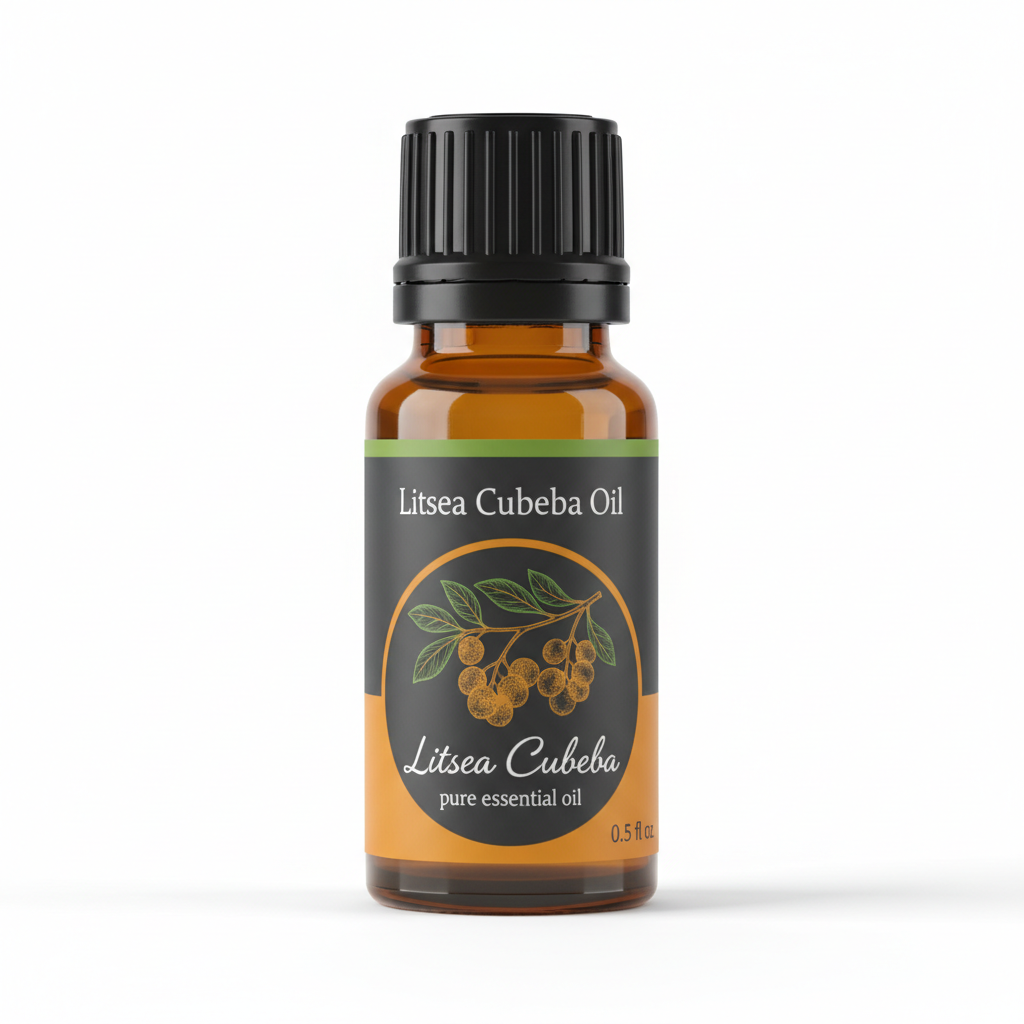
From $10.87 for 0.5 oz · sizes up to 400 lbs
Shop Litsea Cubeba OilBuild a morning diffuser blend around litsea cubeba's sweet lemon lift, then round it out with rosemary or geranium.
Explore →This citral-rich oil holds its lemon note through saponification and gives poured candles a throw that keeps going.
Explore →Use it as a vivid opening note in a perfume pyramid, where its citral brightness carries longer than expressed lemon peel.
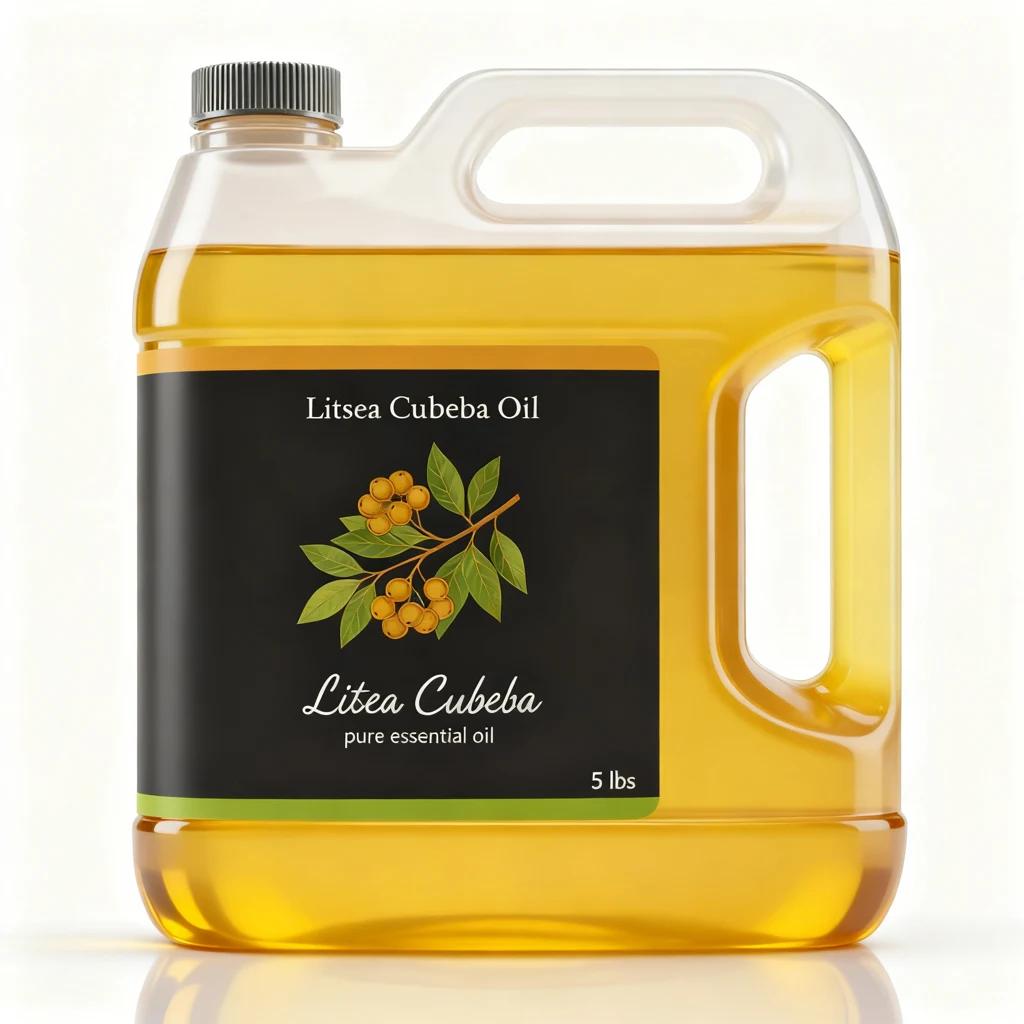
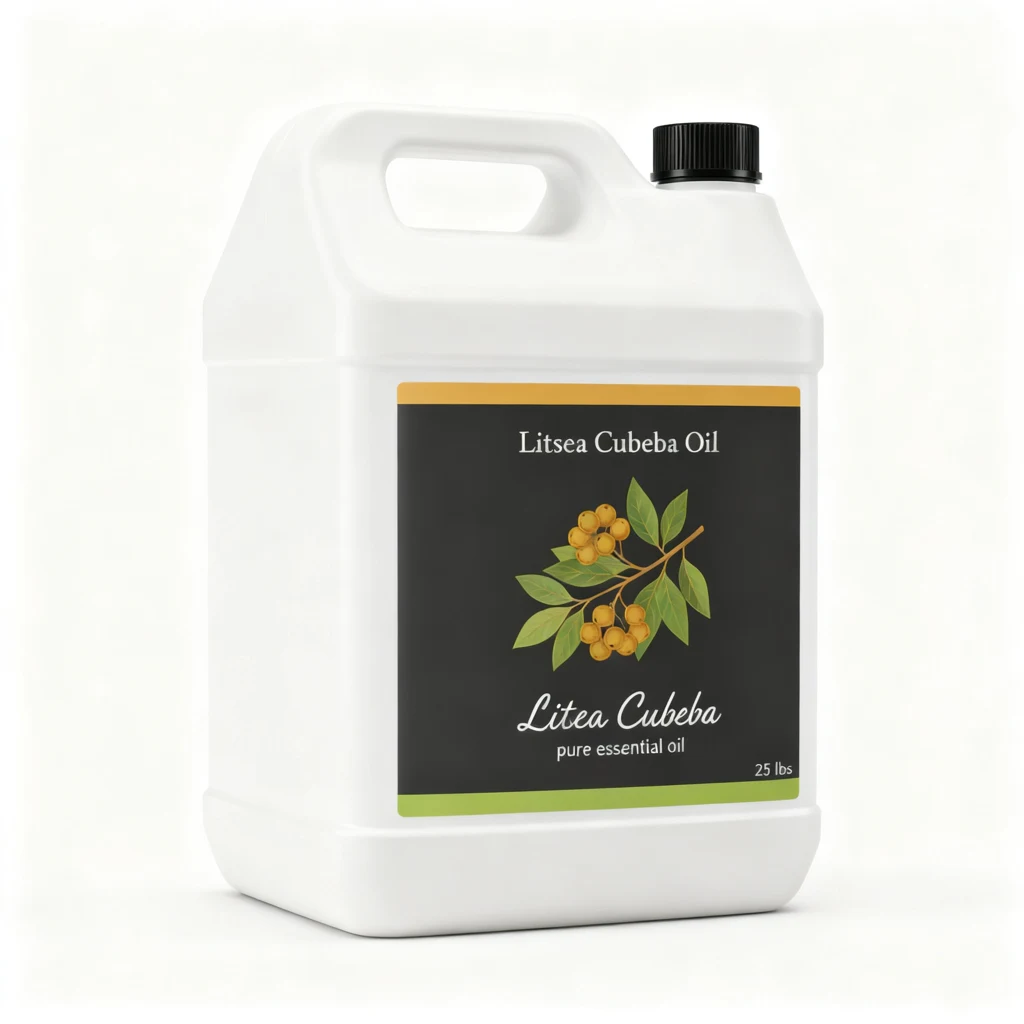
Explore →Soap houses, candle studios, and formulators buy litsea cubeba by the pound once a bench sample proves the blend.
Explore →
Evaluation Bottle
A small pour to test litsea cubeba's sweet lemon character before committing to a larger batch.
Pilot Batch
Enough to run a real test batch of soap, candles, or a diffuser blend line before ordering pounds.
First Production Size
Our first bulk size, priced per ounce lower than the bottles, sized for a first true production run.
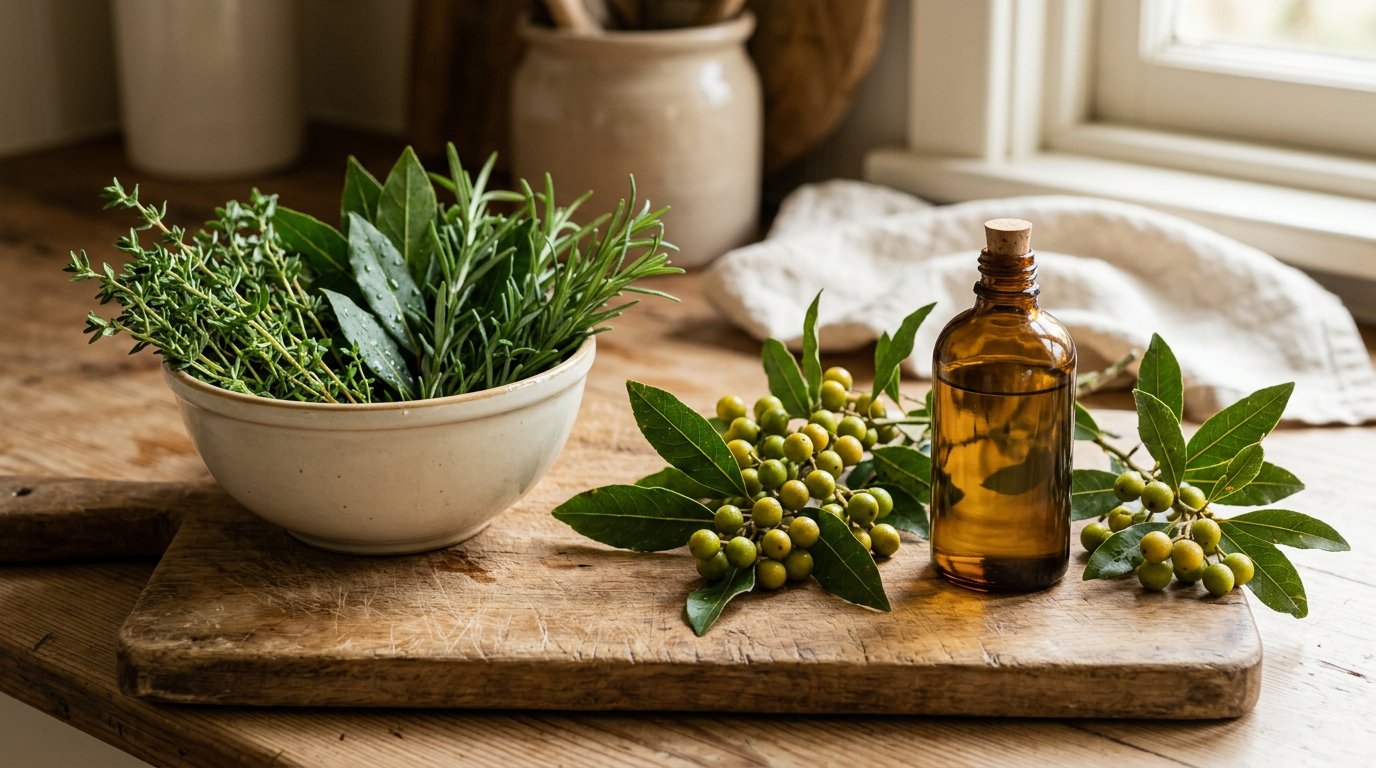
Litsea cubeba essential oil is steam-distilled from the ripe berry-like fruits of Litsea cubeba, a small tree of the laurel family grown across southern China, Taiwan, and Southeast Asia. Its exceptional natural citral content makes it a workhorse of the world fragrance trade.
The scent is vivid sweet lemon with a fruity, slightly floral roundness, bolder and longer-lasting than expressed lemon peel. It energizes blends of ginger, rosemary, geranium, and vetiver, and it is a favorite trick for keeping citrus accords alive past the first hour.
May chang brightens morning diffuser sessions, scents kitchen and bathroom cleaning sprays, gives handmade soap a durable lemon note that survives saponification, and freshens gym bags and shoe closets via a few drops on a cotton pad.
Ripe, berry-like Litsea cubeba fruit is gathered by hand once the crop reaches full ripeness.
Fruit is cleaned and sorted to remove leaves, stems, and damaged berries before it reaches the still.
The sorted fruit is steam-distilled to draw out its citral-rich, lemon-bright oil from the plant material.
Every batch is lab-tested and the results are published as a certificate of analysis on this site.
The finished oil is bottled and stored away from heat and light to protect its citral content.
Litsea cubeba's value comes from its high citral content, the aromatic compound responsible for its vivid lemon character, so a buyer has a real, measurable reason to expect a specific scent profile rather than a vague citrus impression.
This batch's certificate of analysis is published on this site, so soap makers, candle studios, and perfumers can review it before ordering rather than relying on our description alone.
| Distilled Litsea Cubeba | Synthetic Lemon Fragrance | |
|---|---|---|
| Source | Steam-distilled from Litsea cubeba fruit | Compounded in a lab from synthetic aroma chemicals |
| Aroma | Intense, sweet, lemon-bright with a fruity edge | Flat, one-note lemon scent |
| Composition | Naturally high in citral from the fruit itself | Blended citral analogs and fillers |
| Documentation | Batch COA published on this site | No batch testing or documentation offered |
| Best for | Soap, candles, diffusing, and perfumery | Only mass-market air fresheners |
The single origin region this fruit is currently sourced from
Every bottle comes from the Litsea cubeba tree alone
Steam distillation is the only process used to draw out this oil
The ripe berry-like fruit is the part that goes into the still
These guides cover diffuser blending, product formulation, and the exact scent profile before you commit to a size.
Soap houses, candle studios, and independent perfumers reach for litsea cubeba by the pound because its citral-rich lemon note holds up through saponification, survives a hot pour, and stays vivid as a top note in a fragrance pyramid. Every bulk size ships under the same published batch documentation as our smallest bottle, so a five-pound order carries the same verifiable purity as a half-ounce sample.
Cold-process soap makers value a lemon note strong enough to survive saponification without fading into the bar.
See the guide →Candle makers pour litsea cubeba into wax for a citrus throw that holds up through a full burn.
See the guide →Formulators use its citral brightness as a top note that keeps a citrus accord alive well past the opening.
See the guide →