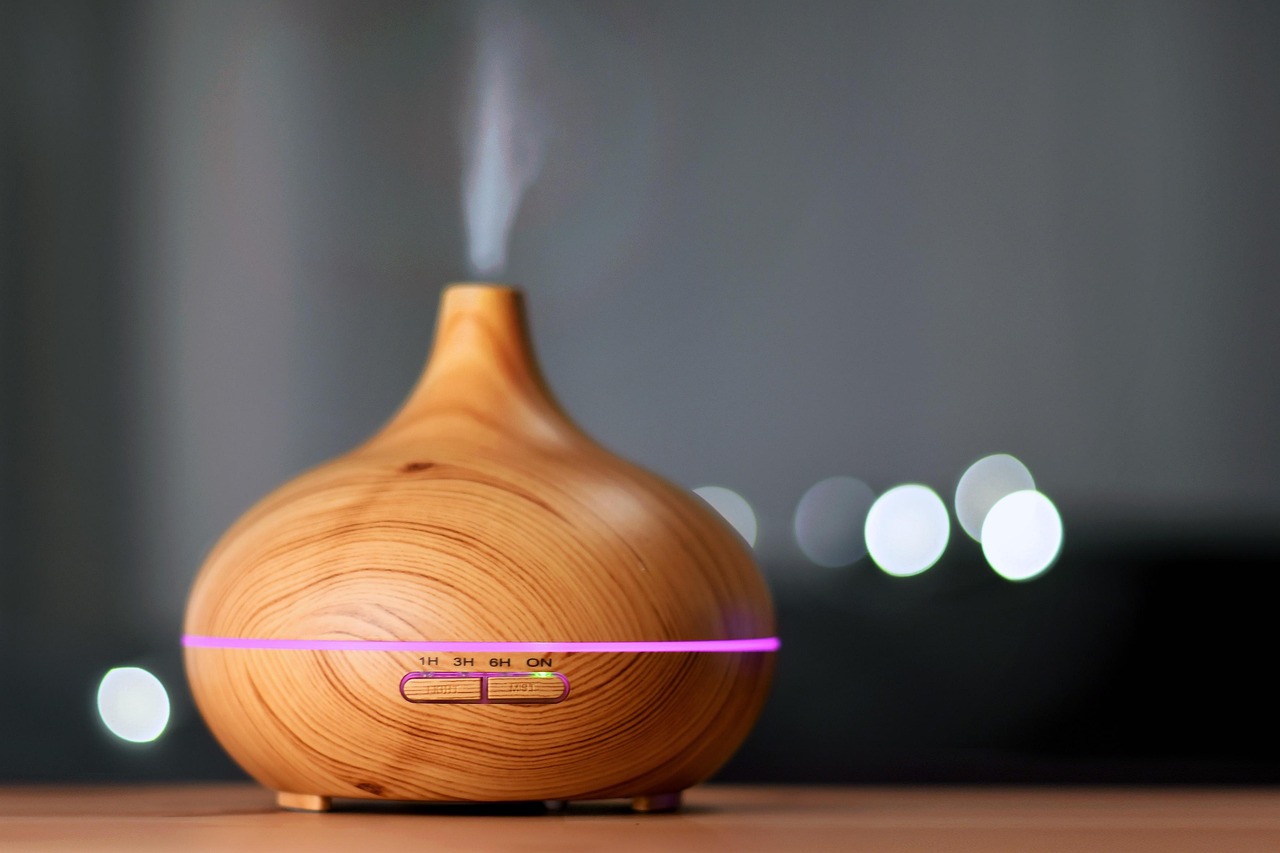
Litsea Cubeba Diffuser Blends: 10 Lemon-Bright Recipes with Frankincense Serrata
Litsea cubeba has a way of lighting up a room. One drop, and the air shifts. The scent is sharper and more faceted than a standard lemon oil, with a clean green edge that floats rather than sits. It is the kind of citrus that diffuses enthusiastically and fills a space quickly. The challenge, as any blender knows, is keeping it from evaporating before the rest of the blend has a chance to settle. That is exactly where frankincense serrata earns its place in these recipes.
This guide walks through ten litsea cubeba diffuser blends built around a single frankincense anchor. Each recipe lists drop counts, notes on why the combination works aromatically, and simple instructions for getting the most out of your diffuser session. Safety notes and storage guidance are included at the end.
Why Frankincense Serrata for These Citrus Diffuser Recipes
Several frankincense species exist, and each carries its own aroma character. Serrata, sourced primarily from India, is the woodsy, slightly balsamic cousin of the more resinous Somali varieties. Its scent opens with a light camphoraceous brightness, then settles into warm, dry wood and a faintly sweet earthiness. It does not dominate a blend the way a heavier resin might. That restraint makes it an outstanding base note for citrus work.
When you pair frankincense serrata with litsea cubeba in a diffuser, something pleasant happens. The litsea cubeba launches the blend into the room with its signature brightness. The serrata catches it. It holds the lighter top notes in suspension longer than the citrus would last on its own, and it adds a soft, grounded dimension that keeps the blend from feeling one-dimensional. The result is a citrus profile with depth and a noticeable dry-down. You can explore our frankincense serrata essential oil if you want to stock a quality bottle for regular blending.
For those who want to understand how litsea cubeba behaves across a broader range of blending contexts, the article blending with litsea cubeba: the ultimate citrus that lasts covers scent families, retention strategies, and pairing logic in much more detail.
Blending Notes Before You Start
A few practical points apply to all ten recipes below.
- Diffuser type matters. Ultrasonic diffusers work well with these blends. Nebulizing diffusers will amplify every note more intensely, so reduce drop counts by roughly 30 percent if you use one.
- Run time. Thirty minutes on, thirty minutes off is a comfortable rhythm for most spaces. Continuous diffusion can cause olfactory fatigue, and you stop noticing the blend entirely.
- Water volume. These recipes are calibrated for a 200 ml diffuser tank. Scale proportionally if your tank is larger or smaller.
- Order of addition. Add base notes first, then mid notes, then top notes. This is not strictly necessary for diffusion, but it helps you evaluate the blend as it builds.
The 10 Recipes
1. Classic Lemon and Resin
The simplest starting point. Let the two lead ingredients speak clearly.
- Litsea cubeba: 5 drops (approx. 0.25 ml)
- Frankincense serrata: 3 drops (approx. 0.15 ml)
Bright, airy opening with a woody dry-down. A solid everyday may chang diffuser experience.
2. Morning Grove
Crisp and green, designed for early hours when the air still feels fresh.
- Litsea cubeba: 4 drops (approx. 0.20 ml)
- Frankincense serrata: 2 drops (approx. 0.10 ml)
- Cedarwood (Virginian): 2 drops (approx. 0.10 ml)
3. Citrus and Spice
Cardamom adds a cool, slightly sweet spice note that bridges the citrus and resin beautifully.
- Litsea cubeba: 4 drops (approx. 0.20 ml)
- Frankincense serrata: 3 drops (approx. 0.15 ml)
- Cardamom: 1 drop (approx. 0.05 ml)
4. Lemon Lavender Anchor
A well-loved pairing. The frankincense serrata lifts this beyond a standard citrus-lavender blend.
- Litsea cubeba: 4 drops (approx. 0.20 ml)
- Lavender (Angustifolia): 3 drops (approx. 0.15 ml)
- Frankincense serrata: 2 drops (approx. 0.10 ml)
5. Forest Citrus
Douglas fir or black spruce brings a deep forest coolness. This one suits a study or reading space.
- Litsea cubeba: 3 drops (approx. 0.15 ml)
- Frankincense serrata: 3 drops (approx. 0.15 ml)
- Douglas fir (or black spruce): 2 drops (approx. 0.10 ml)
6. Bright Floral
Ylang ylang is potent. A single drop is enough to introduce its heady, tropical quality without overwhelming the citrus.
- Litsea cubeba: 5 drops (approx. 0.25 ml)
- Frankincense serrata: 2 drops (approx. 0.10 ml)
- Ylang ylang: 1 drop (approx. 0.05 ml)
7. Lemon Mint Lift
Peppermint and litsea cubeba are a classic citrus diffuser recipe pairing. The serrata keeps it grounded.
- Litsea cubeba: 4 drops (approx. 0.20 ml)
- Peppermint: 2 drops (approx. 0.10 ml)
- Frankincense serrata: 2 drops (approx. 0.10 ml)
8. Warm Vetiver Base
Vetiver is smoky and deeply earthy. A tiny amount creates a striking contrast against the bright litsea top.
- Litsea cubeba: 5 drops (approx. 0.25 ml)
- Frankincense serrata: 3 drops (approx. 0.15 ml)
- Vetiver: 1 drop (approx. 0.05 ml)
9. Evening Wind-Down
Roman chamomile softens everything. This blend suits late evenings when you want the atmosphere to feel quieter.
- Litsea cubeba: 3 drops (approx. 0.15 ml)
- Frankincense serrata: 3 drops (approx. 0.15 ml)
- Roman chamomile: 2 drops (approx. 0.10 ml)
10. Lemon Resin Citrus Stack
This one layers three citrus-adjacent oils to create a full, faceted brightness with the serrata holding the base.
- Litsea cubeba: 3 drops (approx. 0.15 ml)
- Bergamot (FCF): 3 drops (approx. 0.15 ml)
- Frankincense serrata: 2 drops (approx. 0.10 ml)
- Lemon (steam-distilled): 2 drops (approx. 0.10 ml)
Step-by-Step Blending Instructions
- Measure your water first. Fill your diffuser tank to the 200 ml line before adding any oils. This prevents accidental over-concentration.
- Add frankincense serrata. Drop it in first. Base notes benefit from a moment of contact with the water before the lighter oils join.
- Add mid notes. If your recipe includes lavender, cardamom, cedarwood, or another mid-range oil, add those next.
- Add litsea cubeba last. Its volatility means you want it on top, dispersing quickly when the diffuser starts.
- Run for 30 minutes, then pause for 30. This cycle keeps the scent from flattening in the room.
- Wipe the tank between sessions. Litsea cubeba can leave a slight film. A cotton pad with a small amount of isopropyl alcohol clears it cleanly.
Variations to Try
Smokier Version
Substitute one drop of frankincense serrata in any recipe with one drop of guaiacwood or atlas cedarwood. The resinous quality deepens and the overall blend moves toward a warmer, more contemplative atmosphere.
More Citrus Forward
Increase litsea cubeba by 2 drops and reduce frankincense serrata by 1. This shifts the balance so the bright, lemony character leads more aggressively. It works especially well in larger rooms where the citrus needs to carry farther.
Green and Herbal
Add 2 drops of basil ct. linalool or rosemary ct. camphor to Recipe 2 (Morning Grove). The herbal note adds a garden-fresh quality that pairs naturally with the green undertone in litsea cubeba.
Dilution, Safety Notes, and Storage
These recipes are formulated for diffuser use only. They are not intended for direct skin contact without proper dilution. If you want to adapt any of these into a personal fragrance or body oil, a safe starting dilution for most adults is 1 to 2 percent in a carrier oil (roughly 6 to 12 drops per 30 ml of carrier). Always perform a patch test before applying any new blend to a larger area of skin: place a small amount on the inner forearm, wait 24 hours, and check for any reaction before wider use.
Litsea cubeba may cause sensitization in some individuals with repeated or concentrated exposure. If you notice any skin response, discontinue use and consult a qualified healthcare provider. Keep all essential oils away from children and pets. Avoid diffusing in spaces occupied by cats or birds, as some oils pose risks to them.
Pregnant or nursing individuals and those with specific health circumstances should consult a qualified healthcare provider before using essential oils in any form.
Storage: Store your oils in dark amber or cobalt glass bottles, away from heat and direct light. A cool cupboard or drawer works well. Properly stored, frankincense serrata and litsea cubeba both have a shelf life of approximately two years. Litsea cubeba may oxidize faster than most citrus oils, so smaller bottles and airtight caps help preserve its brightness. If the scent turns flat, slightly acrid, or noticeably different from when you opened it, the oil is past its best for diffusion.
Taking the Blend Further
Once you are comfortable with how litsea cubeba and frankincense serrata work together in the diffuser, you may want to carry those same scent notes into other projects. The guide on making cold process soap with litsea cubeba explains how this oil behaves in a soap batter, including acceleration risks and scent retention strategies. And if candle work interests you, the article on DIY litsea cubeba candles for long-lasting lemon throw covers wax selection, fragrance load percentages, and how to get that bright citrus note to carry through the cure time.
These ten blends are a starting point. The real pleasure is in adjusting ratios, experimenting with unfamiliar base notes, and finding the version that feels right in your particular space. Frankincense serrata is forgiving and consistent. Litsea cubeba rewards attentiveness. Together, they make a genuinely enjoyable foundation for any citrus diffuser recipe collection.