
What Is Litsea Cubeba Oil? The Complete Guide to May Chang

Key Takeaways
- Litsea cubeba oil is a steam-distilled essential oil pressed from the small, pepper-like fruits of Litsea cubeba, a subtropical tree native to China and Southeast Asia.
- Its popular common name, may chang, comes from its Chinese regional identity and is widely used in the fragrance and flavor industries.
- The oil is exceptionally high in citral (often 65–85%), giving it a sharp, clean, lemon-like aroma that is more intense and less sweet than lemon essential oil itself.
- Litsea cubeba essential oil is a prized raw material in perfumery, cosmetics, and home fragrance, and a popular choice for DIY soap and candle makers.
- Like all high-citral oils, it requires careful dilution, patch testing, and attention to potential skin sensitivity before use.
- Quality varies considerably between suppliers; understanding sourcing and chemistry helps you choose well.
What Is Litsea Cubeba Oil?
Litsea cubeba oil is a steam-distilled essential oil obtained from the small, aromatic fruits of the Litsea cubeba plant, a member of the Lauraceae family. The fruits resemble black pepper in shape and size, though they bear no relation to pepper botanically. When crushed or distilled, they release a vivid, intensely lemony aroma that has made this oil one of the most commercially important citral-bearing essential oils in the world.
You will encounter this oil under several names depending on where you shop and who you buy from. May chang is the most widely used English common name, particularly in the British fragrance and soap-making communities. In China, where the majority of commercial production occurs, the oil is sometimes called shān cāng or mountain litsea. In perfumery, you may see it listed simply as litsea. All of these names refer to the same botanical species: Litsea cubeba (Lour.) Pers.
The oil occupies an interesting position in the essential oil world. It is beloved by both serious perfumers and home crafters precisely because it bridges professional-grade raw materials and accessible DIY ingredients. A perfumer values its high, reliable citral content as a starting point for creating aldehydic or fresh-citrus accords. A soap maker loves it because it performs beautifully in cold-process soap, retaining scent far longer than true lemon or orange peel oils. And an aromatherapy enthusiast appreciates its bright, uplifting character for diffusion in living spaces.
This guide covers all of it: the plant, the production process, the chemistry, the practical uses, the safety considerations, and how to shop wisely for a quality bottle.
The Tree Behind the Oil: Meet Litsea cubeba
Litsea cubeba is a fast-growing, deciduous to semi-evergreen tree that reaches roughly 5 to 10 metres in height at maturity. It thrives at elevations between 200 and 3,400 metres across central and southern China, as well as in parts of Taiwan, Vietnam, Indonesia, and the broader Indochina region. The tree favors the edges of subtropical forests, river banks, and hillside clearings where it receives ample light.
Botanically, it belongs to the laurel family (Lauraceae), which gives it distinguished company: bay laurel, cinnamon, camphor, and avocado all share this family. The aromatic richness characteristic of Lauraceae shows up clearly in litsea cubeba. Nearly every part of the tree carries some fragrance, from the narrow, lance-shaped leaves to the pale yellow flowers, the bark, and most powerfully, the small clustered fruits.
The fruits themselves are the part that matters most commercially. They are small drupes, roughly 4 to 6 mm in diameter, green when unripe and turning black at full maturity. They grow in clusters, and the resemblance to peppercorns is striking enough that the tree is sometimes called the pepper plant locally, though this is purely visual. Inside the fruit, a single seed is surrounded by a thin, oil-rich pericarp. That pericarp is where the essential oil lives, and it is harvested while the fruits are still green and unripe, when citral content peaks.
China is by far the largest producer of litsea cubeba essential oil globally. Provinces including Hunan, Guangdong, Guangxi, Zhejiang, and Jiangxi have long traditions of cultivating and distilling the tree. In many rural mountain communities, harvesting the fruits provides seasonal income, and the distillation infrastructure, ranging from small family stills to larger cooperative operations, has developed over generations.
For a deeper look at the plant's natural history, cultivation zones, and ecological role, visit our dedicated article: The Litsea Cubeba Tree: China's Mountain May Chang.
Other Species Sometimes Called Litsea
The genus Litsea is large, containing over 400 species distributed across tropical and subtropical Asia, Australia, and the Americas. A handful of other species also yield commercially distilled essential oils, most notably Litsea glutinosa and Litsea citrata. When buying oil, confirm the full Latin binomial on the label. Only Litsea cubeba delivers the high-citral profile that has made may chang oil famous. Other species have different chemical compositions and different aromatic characters.
Scent Profile: What Does Litsea Cubeba Actually Smell Like?
Open a well-sourced bottle of litsea cubeba essential oil and the first impression is immediate and vivid. The scent lands clean and bright, intensely lemony, with a dry, almost crystalline sharpness that sets it apart from the warmer, rounder citrus of a lemon peel oil or the sweetness of lemongrass.
Perfumers describe may chang oil in terms of its aromatic facets:
- Top notes: Fresh, brisk, radiant lemon. There is a slight floral lift beneath the citral hit, reminiscent of lemon blossom rather than lemon juice.
- Heart: As the initial brightness settles, a subtle green, herbal quality emerges. Some noses detect a faint woody undertone, a trace of the laurel family lineage.
- Dry-down: Because of the high aldehyde content, litsea cubeba fades relatively quickly on the skin compared to resinous or musky oils. In a blend, the dry-down reveals the base notes it was combined with.
A common comparison point is lemongrass essential oil, which also relies on citral for its aroma. The difference is pronounced once you smell them side by side. Lemongrass has a heavier, sweeter, almost grassy body. Litsea cubeba is cleaner and more citrus-forward, with less of the coumarin-adjacent warmth that lemongrass carries. Some people describe may chang as smelling like a very pure lemon drop: tart, sparkling, and unambiguous.
Verbena essential oil is another frequent comparison, and here the resemblance is closer. True verbena (Lippia citriodora) shares the bright, lemony-floral register. The key differences are cost and intensity. Verbena is significantly more expensive, partly because of difficult cultivation and low yield. Litsea cubeba delivers a comparable citral richness at a fraction of the price, which is one reason perfumers use it as a verbena-accord building block.
Scent performance also depends heavily on freshness and storage. Citral oxidizes over time, and an old or poorly stored bottle may smell flat, slightly metallic, or vaguely soapy in an unpleasant way. Fresh, properly stored litsea cubeba essential oil should smell bright and vivid, not tired or muddled.
For a detailed sensory breakdown with blending suggestions, see our full article: What Does Litsea Cubeba Smell Like? A Lemon Drop Scent.
How It Blends
Litsea cubeba is a generous blender. Its bright top-note energy lifts heavier ingredients without overwhelming them. It pairs particularly well with:
- Florals: Geranium, ylang ylang, rose absolute, and neroli all gain a fresh dimension when litsea cubeba enters the equation.
- Woods and resins: Cedarwood, vetiver, frankincense, and sandalwood provide the grounding base that may chang lacks on its own.
- Other citrus oils: Bergamot, sweet orange, and grapefruit layer naturally for complex citrus-forward accords in cologne-style formulations.
- Spice notes: Black pepper, cardamom, and ginger add warmth that extends the aromatic life of a blend.
- Herbals: Lavender, rosemary, and clary sage sit comfortably beside may chang, softening its sharpness into something more rounded.
The Chemistry of May Chang Oil

Understanding the chemistry of litsea cubeba essential oil explains nearly everything about how it smells, how it performs in formulations, how it behaves on skin, and why its quality can vary so significantly from one supplier to another.
Citral: The Dominant Constituent
Citral is not a single molecule. It is a mixture of two geometric isomers: geranial (also called citral A) and neral (citral B). Together, these two aldehydes typically make up 65 to 85% of a well-sourced litsea cubeba essential oil by weight. This is an extraordinarily high concentration. For comparison, lemon peel oil contains roughly 2 to 5% citral. Lemongrass oil, another high-citral source, typically contains 65 to 85% as well, which is why the two oils are often compared.
Geranial contributes the sharper, more intensely lemony aspect of the aroma. Neral is softer, slightly sweeter, and more floral in character. The ratio between them influences the precise scent profile: oils with higher geranial tend to read as crisper and more assertive.
Citral's dominance also makes it the primary driver of litsea cubeba's skin sensitivity considerations, which we cover in the safety section below.
Supporting Constituents
Beyond citral, a typical gas chromatography-mass spectrometry (GC-MS) report for litsea cubeba may chang essential oil reveals a supporting cast of aromatic molecules that contribute nuance and complexity:
| Constituent | Typical Range | Aromatic Character |
|---|---|---|
| Geranial (Citral A) | 35–50% | Sharp, intense lemon |
| Neral (Citral B) | 25–40% | Soft, floral lemon |
| Limonene | 5–15% | Fresh, sweet citrus |
| Linalool | 1–5% | Floral, slightly lavender-like |
| Geraniol | 1–4% | Rose-like, soft floral |
| Methyl heptenone | 1–3% | Fruity, slightly green |
| Citronellal | Trace–2% | Citrus-green |
| Other monoterpenes | Variable | Supporting freshness |
Note that these ranges reflect typical, quality commercial oils. Actual figures vary based on harvest timing, growing region, fruit ripeness at harvest, and distillation method. A GC-MS report from your supplier is the most reliable way to verify what you are actually buying.
Why Citral Content Matters for Buyers
For formulators, citral content is the key quality metric. High citral means stronger, truer lemon character, better scent performance in finished products, and more predictable blending behavior. Adulterated or low-quality oils may have their citral content artificially inflated by adding synthetic citral (derived from acetylene chemistry), or the oil may be diluted with carrier oils or cheaper terpene fractions.
A reliable supplier will provide batch-specific GC-MS data. If a supplier cannot or will not share this, that is worth noting when you make your purchasing decision.
Oxidation and Shelf Life Implications
Aldehydes like citral are reactive molecules. They oxidize faster than alcohols or esters, particularly when exposed to light, heat, and air. As litsea cubeba oil ages or is stored poorly, the citral degrades into secondary compounds that can irritate skin more readily than fresh oil. This is one reason that storage guidance for may chang oil is not merely precautionary: it directly affects both scent quality and user safety.
How Litsea Cubeba Oil Is Made
The production of litsea cubeba essential oil follows a well-established process centered on steam distillation, though the scale and specifics vary considerably between small artisan producers and large commercial operations.
Harvest
The fruits are harvested while still unripe and green, typically between late summer and early autumn. This timing is critical. As the fruits ripen and darken, citral content begins to fall and the scent shifts. Experienced harvesters judge the optimal window by appearance, aroma, and accumulated knowledge of their specific growing sites. In China's mountain regions, harvesting is often still done by hand, with workers using rakes or gloved hands to strip clusters from the branches.
Fruit from the leaves and twigs is sometimes co-distilled or separately processed. Leaf oil from litsea cubeba has a different and typically lower citral content than fruit oil, and the two are not interchangeable for most formulation purposes.
Steam Distillation
The standard extraction method is steam distillation. Harvested fruits are loaded into a still, and steam is passed through them. The heat ruptures the oil glands in the fruit's pericarp, releasing volatile aromatic compounds that travel with the steam into a condenser. As the vapor cools, it separates into water (the hydrosol, sometimes called a floral water) and the essential oil layer. The oil, being less dense than water, floats on top and is collected.
Distillation time, temperature, and pressure all influence the final oil's chemical profile. Rushed or high-pressure distillation can alter the geranial-to-neral ratio and may generate off-notes. Skilled distillers manage the process carefully to maximize citral yield while preserving the oil's aromatic integrity.
For a thorough walk-through of the distillation process, including photographs of traditional Chinese stills and notes on what distinguishes artisan from industrial production, visit our article: How Litsea Cubeba Oil Is Made: Distilling the Pepper-Like Fruit.
Yield
Oil yield from fresh litsea cubeba fruits typically falls between 3% and 5% by weight, meaning that roughly 20 to 33 kilograms of fruit are needed to produce one kilogram of essential oil. This is a reasonably productive yield by essential oil standards (compare to rose, which requires several tonnes of petals per kilogram of absolute). It is one reason litsea cubeba remains relatively affordable even as a high-quality ingredient.
Post-Distillation Processing
Most commercial litsea cubeba oil requires minimal post-distillation processing. Some producers filter the oil to remove particulate matter. For industrial citral production, litsea cubeba oil is sometimes fractionated under vacuum distillation to isolate or concentrate the citral fraction for use in flavor and fragrance synthesis. This fractionated material is technically a different product from whole essential oil and behaves differently in cosmetic formulations.
Uses of Litsea Cubeba Essential Oil
Litsea cubeba oil's versatility across multiple industries is one of its most distinctive qualities. It is not a niche ingredient. It is a genuine workhorse of the aromatic world.
Fragrance and Perfumery
In professional perfumery, litsea cubeba essential oil serves several functions. It contributes fresh, bright top notes to cologne-style compositions, citrus-floral accords, and summer fragrance lines. It is used as a verbena accord builder, lending the tart, lemony-floral quality of more expensive verbena absolute at a much lower cost. It also appears in chypre constructions and fougères, where its aldehydic brightness contrasts pleasingly with mossy or woody base notes.
Citral itself is a fragrance material in its own right, and much synthetic citral produced for the flavor and fragrance industry draws on litsea cubeba oil as a botanical starting point. This makes may chang a raw material in the supply chain even when the finished product does not list it by name.
Cold-Process and Hot-Process Soap Making
Litsea cubeba essential oil is one of the top-performing scents in handmade soap, both cold-process and hot-process. Unlike many true citrus oils (expressed from peels), which fade quickly in the alkaline environment of saponification, may chang's aldehyde-rich composition holds its scent remarkably well through the soap-making process. Soap makers typically use it at 1 to 3% of the total oil weight, either alone or blended with other oils.
A practical note for soap formulators: high citral content can accelerate trace in cold-process soap. Testing in small batches first and working at a cooler temperature can help manage this tendency.
Candle Making
In natural candle making, particularly soy and beeswax candles, litsea cubeba essential oil provides excellent cold throw (the scent released at room temperature before the candle is lit) and a reasonably good hot throw. Its clean lemon character blends easily with complementary essential oils for custom candle scents. Formulators typically work at fragrance loads of 6 to 10% in soy wax, following standard safety guidelines for their chosen wax type.
Skincare and Cosmetics
In cosmetic formulations, litsea cubeba essential oil is used primarily for its aromatic contribution. It appears in facial cleansers, toners, body lotions, hair rinses, and deodorant formulations. Properly diluted, it adds a fresh, clean scent that many people associate with a just-showered brightness.
Some cosmetic formulators also note that the oil may support the appearance of balanced skin in oily or combination skin-type products, though any such claims in finished cosmetics must remain cosmetic (appearance-based) rather than drug-claim language under regulatory guidelines.
Dilution is non-negotiable here. See the safety section below for specifics.
Home Fragrance and Diffusion
Diffusing litsea cubeba essential oil is one of the simplest and most rewarding ways to use it. A few drops in an ultrasonic diffuser fills a room with bright, clean, citrusy air that many people find energizing during the day and refreshing during morning or evening routines.
It blends beautifully in diffuser blends with lavender for a calmer character, with eucalyptus for a clean and brisk atmosphere, or with cedarwood and bergamot for a sophisticated, spa-like quality. A simple starting point: 3 drops litsea cubeba, 2 drops lavender, 1 drop vetiver.
Reed Diffusers and Room Sprays
Litsea cubeba oil's sharp brightness makes it a natural fit for reed diffuser formulations and room sprays. In reed diffusers, it is blended into a carrier liquid (typically a thin, odorless carrier such as dipropylene glycol or fractionated coconut oil) at a concentration determined by the desired intensity. In alcohol-based room sprays, it disperses cleanly without the heavy base note residue that some resinous oils can leave behind.
Flavoring (Industrial Context)
While this guide focuses on cosmetic and aromatic applications, it is worth noting that litsea cubeba oil and its isolated citral fraction are used as flavoring agents in the food industry, regulated under GRAS (Generally Recognized as Safe) status in the United States. This is strictly an industrial food-manufacturing context. Ingesting undiluted essential oils is not recommended and falls outside the scope of safe home use.
For 15 specific practical project ideas using may chang, see our article: Litsea Cubeba Oil Uses: 15 Bright Ideas for Home and Craft.
Safety, Dilution, and Skin Sensitivity
Litsea cubeba essential oil is a potent material. Its high citral content, which is its greatest asset as a fragrance ingredient, is also the source of its most important safety considerations. None of this makes it dangerous when used correctly. It does mean that correct use requires a little knowledge and a little discipline.
Safety Overview
- Always dilute before skin contact. Never apply undiluted (neat) essential oil to skin.
- Patch test every new batch before use in leave-on products.
- Pregnant or nursing individuals and those with sensitive skin should consult a qualified professional before use.
- Keep away from children and pets.
- Avoid eye contact.
- Consult a healthcare provider if you have any concerns about using essential oils.
Skin Sensitization and Citral
Citral is a recognized skin sensitizer. This means that repeated exposure to concentrated citral can cause some individuals to develop a sensitivity response over time. The response is cumulative: a person may use an oil many times without issue, then develop a sensitivity. This is different from an immediate irritation response, though high concentrations can also cause direct irritation in some people.
The International Fragrance Association (IFRA) sets guidelines for the maximum concentration of citral (and therefore high-citral oils) in various product categories. These guidelines are not legally binding in all markets, but they represent the industry consensus on safe use levels and are worth following as a baseline.
Recommended Dilution Guidelines
For home use, the following dilution ranges are widely cited as starting reference points. Always adapt based on your own skin's response and the specific product type:
| Product Type | Suggested Maximum Dilution | Notes |
|---|---|---|
| Rinse-off products (soap, shampoo) | Up to 1–2% | Shorter skin contact time reduces risk |
| Body lotion / moisturizer | 0.5–1% | Leave-on products carry higher sensitization potential |
| Facial products | 0.2–0.5% | Facial skin is thinner and more sensitive |
| Diffusion | 1–3% of diffuser fill | Ensure ventilated space; limit diffusion duration |
| Room spray | 1–2% in alcohol base | Not intended for skin contact |
These figures are guidelines, not absolute rules. Your specific formulation, the other ingredients present, and your own skin's history all affect the appropriate level. When in doubt, dilute further and patch test.
How to Patch Test
- Prepare your diluted oil or finished product as you intend to use it.
- Apply a small amount (roughly a 10-cent coin area) to the inside of your forearm.
- Cover loosely with a bandage and leave undisturbed for 24 hours.
- Check for redness, itching, swelling, or any other change. If none appear, the product is likely suitable for your skin at that concentration.
- Note: a patch test result does not guarantee that sensitization cannot develop over time with ongoing use. This is particularly relevant for high-citral materials used in daily leave-on products.
Phototoxicity: Does Litsea Cubeba Cause Sun Sensitivity?
This is a question that comes up regularly, and the answer is nuanced. Steam-distilled litsea cubeba essential oil does not contain the furanocoumarins that make some cold-pressed citrus oils strongly phototoxic. However, some research has examined the behavior of high-citral oils in UV exposure contexts. The current scientific picture is not as alarming as it is for bergapten-containing oils, but it warrants attention rather than dismissal.
We cover the research in detail in our dedicated article: Litsea Cubeba and Phototoxicity: What the Research Actually Shows. As a precaution, avoid applying leave-on litsea cubeba formulations to skin that will be exposed to direct sunlight shortly afterward.
Special Populations
Individuals who are pregnant, nursing, or managing specific health conditions should consult a qualified healthcare provider before incorporating litsea cubeba essential oil into their personal care routine. Children and pets have different physiological sensitivities to aromatic compounds; keep essential oils out of their reach and exercise caution around diffusion in shared spaces.
Buying Guide: Choosing a Quality May Chang Oil
Not all litsea cubeba essential oils are equal. The market ranges from excellent, carefully sourced and tested material to diluted, adulterated, or mislabeled products that deliver neither the scent nor the quality you are paying for. Here is what to look for.
Botanical Name on the Label
A trustworthy supplier will always include the full Latin binomial on the product label or listing: Litsea cubeba (Lour.) Pers. If the label says only "may chang oil" without the botanical name, that is a flag. Other species in the Litsea genus may be substituted, knowingly or through supply chain confusion, and will not deliver the same chemical profile.
Country of Origin
China is the dominant and most established source. High-quality oil also comes from Taiwan and occasionally from Vietnam or Indonesia. Knowing the origin allows you to ask intelligent questions about growing and distillation conditions, and it helps you compare across batches over time.
GC-MS Testing
Gas chromatography-mass spectrometry testing is the gold standard for essential oil quality verification. A reputable supplier will make batch-specific GC-MS reports available, either automatically included with orders or accessible on request. Look for:
- Total citral (geranial + neral) in the 65–85% range for high-quality fruit oil.
- Absence of unexpected peaks that might indicate dilution or adulteration with synthetic materials or cheaper oils.
- Consistent limonene and linalool levels within expected ranges.
If a supplier dismisses GC-MS requests or cannot provide data, shop elsewhere.
Packaging
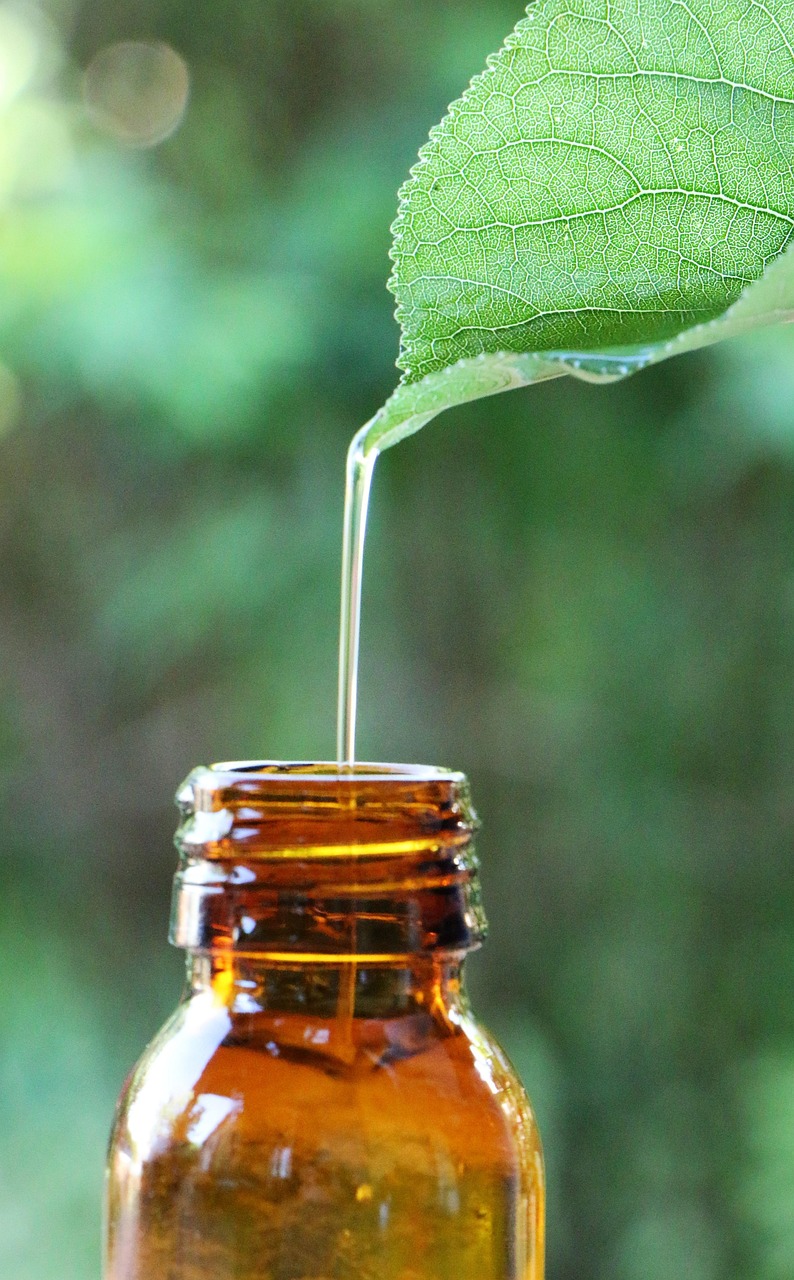
Essential oils should be sold in dark glass bottles (amber or cobalt blue) with tight-fitting caps, ideally orifice reducers for single-drop dispensing. Avoid oils sold in clear glass or plastic bottles. Light and air degrade citral rapidly, and plastic can leach into or be corroded by essential oils over time.
Price as a Signal
Litsea cubeba oil is one of the more affordable essential oils relative to its aromatic intensity. If you see prices far below the typical market range for comparable bottle sizes, it is worth questioning whether you are looking at diluted oil, a different (cheaper) species, or an oil of unknown age or storage history. Conversely, extremely high prices for litsea cubeba are not inherently a sign of quality: this oil does not justify the same pricing as, say, jasmine absolute or rose otto. A fair price reflects quality sourcing and testing without inflated marketing premiums.
Smell It
If you can access a tester or sample, trust your nose. Fresh, quality litsea cubeba essential oil should smell sharp, clean, and vividly lemony. It should not smell musty, flat, or like artificial lemon cleaning product. A faint floral lift beneath the citral brightness is a good sign. Any sour, rancid, or heavily synthetic character suggests the oil has oxidized, been adulterated, or is not genuinely Litsea cubeba.
Certifications Worth Noting
Certified organic oils are available, though the organic supply chain for litsea cubeba is smaller than for some other oils. If organic certification matters for your formulation or brand, confirm the certifying body and ask for documentation. COSMOS or USDA Organic certification from a recognized body carries weight. Self-declared "natural" or "wildcrafted" claims without third-party verification are marketing language, not quality guarantees.
Storing Your Litsea Cubeba Oil
Because litsea cubeba essential oil is so high in reactive aldehydes, proper storage is more important here than with many other essential oils. Good habits protect your investment, preserve scent quality, and maintain the oil in a condition that is safer for skin contact.
The Four Enemies of May Chang Oil
- Light: UV and visible light accelerate oxidation. Store always in dark glass, in a dark location.
- Heat: Elevated temperatures speed up chemical reactions in the oil. Keep away from stoves, sunny windowsills, and warm storage spaces.
- Air: Every time you open the bottle, oxygen enters and reacts with citral. Cap tightly after each use. If you buy in bulk, consider decanting into smaller working bottles to minimize air exposure in the main stock.
- Moisture: Water contamination introduces microbial risk and can trigger hydrolysis reactions. Never add droppers that have contacted water back into the bottle. Keep lids clean and dry.
Ideal Storage Conditions
A cool, dark cupboard is adequate for most home users. If you live in a warm climate or buy in large quantities, a dedicated essential oil refrigerator (separate from food storage, set around 5–10°C) extends the life of high-citral oils noticeably. Allow refrigerated oil to return to room temperature before opening to prevent condensation from entering the bottle.
Shelf Life Expectations
A properly stored, sealed bottle of litsea cubeba essential oil typically retains good quality for 1 to 2 years from distillation. Once opened, aim to use it within 12 months. This is not a hard expiration: the oil does not become dangerous on a specific date. Rather, citral degrades gradually, and older oil carries greater potential for skin sensitivity and diminished scent quality.
Date your bottles when you open them. It is a small habit that saves considerable uncertainty later.
For complete storage guidance including how to assess whether your oil is still in good condition, see: How to Store Litsea Cubeba Oil: Keeping Citral Fresh.
When to Discard
Trust your nose and your eyes. If the oil has become noticeably darker, thicker, or smells flat, metallic, or sour rather than brightly lemony, it has oxidized significantly. Oxidized citral-rich oils should not be used in leave-on skin applications. They may still perform adequately in candles or reed diffusers where skin contact is not involved, but assess case by case. When uncertain, replace the bottle rather than risk applying degraded material to skin.
Putting It All Together
Litsea cubeba oil rewards the people who take the time to understand it. It is not a complicated ingredient, but it is a precise one. Its sharp, clean lemon character, rooted in an exceptionally high citral content, makes it one of the most versatile and cost-effective aromatic materials available to crafters, formulators, and fragrance enthusiasts. The tree behind it has a rich botanical history in the mountain forests of China. The oil it produces has shaped countless finished fragrances, soaps, candles, and cosmetics, often without appearing by name on the final product.
Buy from suppliers who share their chemistry data. Store the oil well. Dilute properly, patch test consistently, and consult a healthcare provider if you have questions specific to your health situation. Do those things, and litsea cubeba essential oil will serve you well, brightly, and for a long time.
Ready to explore more? Browse our related guides using the links throughout this article, or start with 15 Bright Ideas for Using Litsea Cubeba Oil at Home and in Craft.