
Buying Litsea Cubeba Oil: The Complete Quality Guide

What Is Litsea Cubeba Oil and Why Does Quality Matter?
Litsea cubeba is a small, fast-growing tree native to subtropical and tropical Asia. Its tiny pepper-like fruits, sometimes called mountain pepper or may chang berries, are cold-pressed or steam-distilled to yield one of the most citral-rich essential oils available anywhere. The oil smells arrestingly lemony, far more concentrated than lemon peel oil and considerably cleaner in profile than most lemongrass expressions.
Because of that citral intensity, litsea cubeba oil punches well above its modest price point in perfumery, soap-making, and candle blending. Formulators use it as a cost-effective citrus anchor, a lemongrass alternative with a sharper edge, and a natural source of isolated citral for flavor and fragrance applications. Those same properties make it a popular ingredient in personal care products where a vivid, lasting citrus note is the goal.
None of that value translates, however, if the oil you buy is diluted with carrier oil, spiked with synthetic citral, or distilled from substandard raw material. The essential oil market is largely unregulated in most countries, and litsea cubeba sits in a category where adulteration is economically attractive precisely because citral is inexpensive to synthesize. This guide exists to help you navigate that reality, whether you are buying a single 10 ml bottle for personal use or negotiating a bulk contract for a cosmetics production run.
If you are still getting acquainted with the oil itself and want a foundational comparison before purchasing, it is worth reading how litsea cubeba compares to its closest aromatic relatives. Our article on litsea cubeba vs. lemongrass oil and our comparison of litsea cubeba vs. lemon oil both give useful context for understanding why you would choose this oil over its more familiar cousins.
Quality Markers: What Pure Litsea Cubeba Oil Looks, Smells, and Feels Like
Before any documentation or laboratory analysis enters the conversation, your senses are your first line of evaluation. Developing a reliable sensory baseline for litsea cubeba oil takes time, but there are consistent characteristics that distinguish genuine, well-produced oil from substandard material.
Color and Clarity
Fresh, pure litsea cubeba oil is typically pale yellow to light golden in color. Some batches run nearly colorless; others carry a faint warm tint. Both are acceptable. What is not acceptable is a pronounced deep yellow or brownish color in a bottle claiming to be fresh stock, which can indicate oxidation, prolonged heat exposure during storage, or distillation from overripe or improperly handled fruit.
The oil should be clear, not cloudy or hazy. Some natural cloudiness can appear when a bottle has been refrigerated and the oil has not fully returned to room temperature, which is harmless. Persistent haziness at ambient temperature, however, suggests contamination or adulteration with a heavier substance.
Aroma Profile
This is where litsea cubeba is almost impossible to fake convincingly to an experienced nose. Pure oil smells intensely lemony with a distinct floral-herbal undertone in the background. The opening note hits cleanly and brightly, without any harshness. There is a slightly waxy, almost aldehydic quality as the scent develops, which distinguishes it from synthetic citral, and a gentle, faintly sweet drydown.
Red flags in the aroma include a sharp, almost harsh lemon chemical note (pointing toward synthetic citral addition), a flat or lifeless citrus smell that evaporates instantly (pointing toward significant dilution), or a green, grassy, hay-like quality that dominates rather than sits subtly in the background (pointing toward lemongrass substitution or blending).
For a deeper dive into how these aromatic differences play out in practice, our guide on how to spot quality litsea cubeba oil before you pay walks through sensory evaluation step by step.
Viscosity and Texture
Litsea cubeba essential oil is thin and watery in viscosity. It flows easily from a dropper and leaves no oily residue on your skin when applied as a diluted blend. If you place a drop on a blotter strip and the paper shows a persistent oily stain after several hours, something else has been added. A genuine essential oil evaporates completely from a blotter, leaving at most a faint aromatic trace.
GC/MS Analysis: The Definitive Marker
Gas chromatography-mass spectrometry (GC/MS) analysis is the gold standard for verifying essential oil composition. For litsea cubeba oil specifically, a quality report should show:
- Citral content of 70–85%, expressed as the combined geranial and neral isomers. Some exceptionally high-grade lots from specific growing regions approach 88–90%.
- Limonene typically present at 5–15%, lending brightness to the overall profile.
- Linalool present in smaller quantities, contributing the floral softness.
- Methyl heptenone and related compounds that characterize the natural complexity absent in synthetic citral additions.
If a supplier cannot provide a GC/MS report for the specific lot you are purchasing, that is not necessarily a dealbreaker for a single retail bottle, but it becomes a serious concern for any commercial or bulk purchase. Request lot-specific data, not a generic product datasheet from a previous year's batch.

Reading Labels and Documentation Before You Buy
A label tells you a great deal, even before you open the bottle. Learning to read essential oil labels critically is one of the most useful skills a buyer can develop, and litsea cubeba oil offers several specific things to look for.
Botanical Name Verification
The label must state the full Latin botanical name: Litsea cubeba. Common names vary by region and trade context. The oil is marketed as may chang oil, mountain pepper oil, tropical verbena oil, and occasionally as Chinese litsea oil. None of those common names, on their own, are sufficient to confirm you have the right species. Suppliers sometimes use "litsea" as a catch-all that may encompass related species such as Litsea glutinosa or Litsea citrata, which have different chemical profiles.
If the label shows only a common name with no botanical identification, contact the supplier and ask specifically for the Latin binomial before purchasing.
Plant Part Designation
Look for clear identification of the plant part: fruit or berry. Litsea cubeba oil derived from the fruit has the highest citral content and is the standard commercial and cosmetic-grade oil. Leaf-distilled litsea oil from some species has a much lower citral profile and a different aromatic character. A label that simply says "Litsea cubeba essential oil" without specifying the plant part is missing information you should request directly.
Extraction Method
Steam distillation is the most common and widely accepted extraction method for litsea cubeba oil. Some producers cold-press the fruit, similar to citrus peel processing, yielding a slightly different aromatic profile with a fresher, fruitier quality. Both methods can produce excellent oil. What matters is that the method is disclosed. An unlisted extraction method suggests a supplier is not being transparent about their process.
Country of Origin
This should be on the label or readily available on request. China produces the largest volume of litsea cubeba oil globally, followed by Indonesia and other Southeast Asian producers. Country of origin does not by itself determine quality, but it provides important context for evaluating a supplier's supply chain claims and helps you cross-reference pricing benchmarks.
Lot Number and Best-Before Dating
Reputable suppliers assign lot numbers that connect a bottle to a specific production batch. This is essential for traceability. Best-before or manufacture dates matter because litsea cubeba oil, like most citrus-forward essential oils, is susceptible to oxidation over time. An oil past 18–24 months from distillation, especially if improperly stored, may have degraded citral content and a noticeably duller aroma. If a bottle carries no date information at all, ask before purchasing.
Certifications and Third-Party Verification
Certifications to look for include organic certification (USDA NOP, ECOCERT, or equivalent bodies depending on origin country), ISO compliance markings for cosmetic-grade material, and IFRA (International Fragrance Association) conformance documentation for fragrance-use applications. None of these certifications replace GC/MS data, but they signal a supplier invested in quality infrastructure.
Sourcing and Origins: Where the Best Oil Comes From
Geography shapes the chemistry of essential oils in ways that no amount of processing can fully replicate. Litsea cubeba is no exception.
China
The majority of the world's litsea cubeba oil supply originates in southern China, particularly the provinces of Fujian, Guangdong, Guangxi, and Yunnan. Chinese production is well-established and often benefits from decades of distillation expertise, organized cooperative farming structures, and competitive pricing. High-quality Chinese litsea cubeba oil consistently shows citral levels in the 75–85% range when properly distilled from mature, well-harvested fruit.
The challenge with Chinese supply, as with many commodity essential oils, is the variation in quality within the category. Large export volumes and price competition can create incentives to cut corners at the distillation or post-harvest stage. Working with verified Chinese suppliers who can provide lot-specific GC/MS data and COAs is the practical solution.
Indonesia
Indonesian litsea cubeba oil, sourced primarily from Sumatra and Java, has developed a strong reputation in the specialty fragrance and natural cosmetics market. Indonesian producers often work at smaller scales with more careful attention to harvest timing and distillation parameters, which can translate into oil with a more nuanced aromatic profile, though not always with higher citral content than premium Chinese material.
Other Southeast Asian Producers
Vietnam, Taiwan, and parts of India also produce litsea cubeba oil, though in smaller commercial quantities. Taiwanese production in particular has historically been associated with high-quality oil, though supply is limited and prices reflect that scarcity.
Working Directly With Producers vs. Distributors
For retail buyers and small formulators, purchasing through a reputable distributor or specialty essential oil retailer is the most practical route. These intermediaries aggregate supply, verify quality, and maintain consistent stock. For larger volume buyers, establishing a direct relationship with a distillery or cooperative has obvious price advantages, but requires greater due diligence investment upfront, including facility audits, sample testing from multiple harvest seasons, and clear contractual terms around quality specifications.
Our dedicated guide on wholesale litsea cubeba oil for soap and candle makers covers the specifics of direct-from-producer sourcing in more practical depth.
Pricing Tiers and What They Actually Signal
Pricing is one of the most misunderstood aspects of buying essential oils. Litsea cubeba oil is relatively affordable compared to florals like rose or jasmine, but it is not a commodity that can be produced at any price without quality consequences. Understanding the price structure helps you identify both underpriced (suspicious) and overpriced (not necessarily better) options.
Retail Pricing Reference Points
| Volume | Reasonable Price Range | Below This: Investigate Carefully |
|---|---|---|
| 5 ml | $3.50 – $8.00 | Below $2.50 |
| 10 ml | $6.00 – $14.00 | Below $4.00 |
| 30 ml | $14.00 – $30.00 | Below $9.00 |
| 100 ml | $35.00 – $65.00 | Below $20.00 |
| 1 kg (wholesale) | $80.00 – $180.00 | Below $50.00 |
These ranges reflect general market conditions and will shift with harvest seasons, global demand fluctuations, and currency movements. They are reference points, not fixed values. Our full litsea cubeba oil price guide breaks down cost drivers in greater detail and helps you evaluate quotes from multiple suppliers against current market benchmarks.
Why Extremely Low Prices Are a Red Flag
Essential oil production has real, unavoidable costs: land, labor, harvesting, distillation equipment, fuel, and quality testing. When a price falls significantly below what those inputs can sustain, something has to give. In practice, that usually means one or more of the following:
- The oil has been diluted with a carrier oil (fractionated coconut, mineral oil, or synthetic solvent)
- Synthetic citral has been blended in to boost the aromatic impression while using less genuine oil
- The raw material was low-quality, immature fruit or adulterated input material
- The distillation was rushed or conducted at temperatures that degrade volatile compounds
- The product is mislabeled entirely and contains a cheaper citrus oil
Why Very High Prices Don't Automatically Mean Better Oil
Prestige branding, premium packaging, and retail markup can push litsea cubeba oil prices well above what the quality of the oil itself justifies. Paying $30 for a 10 ml bottle from a luxury wellness brand does not mean you are getting oil with 90% citral and a superior GC/MS profile. It may simply mean you are paying for a beautiful bottle and a well-designed label.
The practical approach is to pay a fair price, verify quality through documentation, and buy from suppliers who are transparent about their sourcing. Premium price should come with premium documentation, not just premium aesthetics.
Red Flags: How to Spot Adulterated or Low-Grade Oil
This section is worth reading carefully. Adulteration of essential oils is not a fringe phenomenon. It is widespread enough that industry professionals routinely assume some level of adulteration in commodity supply until proven otherwise by testing. Litsea cubeba is a category where the economics of adulteration are favorable, and buyers who know the warning signs are far less likely to pay for inferior product.
Sensory Red Flags
- A harshly chemical lemon scent: Synthetic citral has a sharper, slightly aggressive edge compared to the rounder, more complex aroma of naturally derived citral from litsea cubeba fruit. If the first impression is of lemon furniture polish rather than fresh lemon with a floral heart, be skeptical.
- Instant evaporation with no lingering trace: A very thin, quickly vanishing scent on a blotter suggests significant dilution. Genuine essential oil leaves a clearly detectable aromatic trace for at least 30–60 minutes on a strip.
- Persistent oily residue on a blotter: As noted earlier, a genuine essential oil evaporates from paper. An oily stain that remains hours later points to carrier oil addition.
- Grassy, haylike dominant note: This can indicate lemongrass blending or substitution. Lemongrass has a similar citral content but a much more pronounced green-grassy character. The two oils smell different to anyone who has worked with both. Our comparison of litsea cubeba and lemongrass helps you develop that distinction.
Labeling and Documentation Red Flags
- No botanical name or an incorrect one ("Litsea" without species designation)
- No plant part specified
- No lot number or batch code
- No country of origin
- A supplier who refuses to share GC/MS data for a commercial purchase
- GC/MS reports that show unusually uniform, round numbers for constituent percentages (a sign of a fabricated or copied report rather than a genuine analysis)
- Reports dated several years prior, applied to current stock with no explanation
Supplier Behavior Red Flags
- Reluctance or inability to answer specific sourcing questions
- Vague responses about distillation method or harvest region
- Prices that are dramatically lower than market averages with no explanation
- No physical address or verifiable business contact information
- Customer reviews that focus only on packaging and shipping, with no references to the oil's aroma or performance
- Claims that the oil has been "tested" without any supporting documentation or a named testing laboratory
Simple At-Home Tests (and Their Limitations)
The blotter test (described above) and the paper rub test (rub a drop between two sheets of paper: carrier oil leaves a translucent stain, pure essential oil does not) are useful first checks. They cannot detect synthetic citral addition, and they cannot quantify adulteration levels. For anything beyond personal use, there is no substitute for requesting GC/MS documentation from the supplier and, for larger purchases, sending a sample to an independent testing laboratory.
Bottle Formats, Sizes, and Storage Considerations
The physical packaging of a litsea cubeba essential oil bottle matters more than many buyers realize. The right format protects the oil's quality over time. The wrong format accelerates degradation, even if the oil inside started out excellent.
Glass vs. Plastic
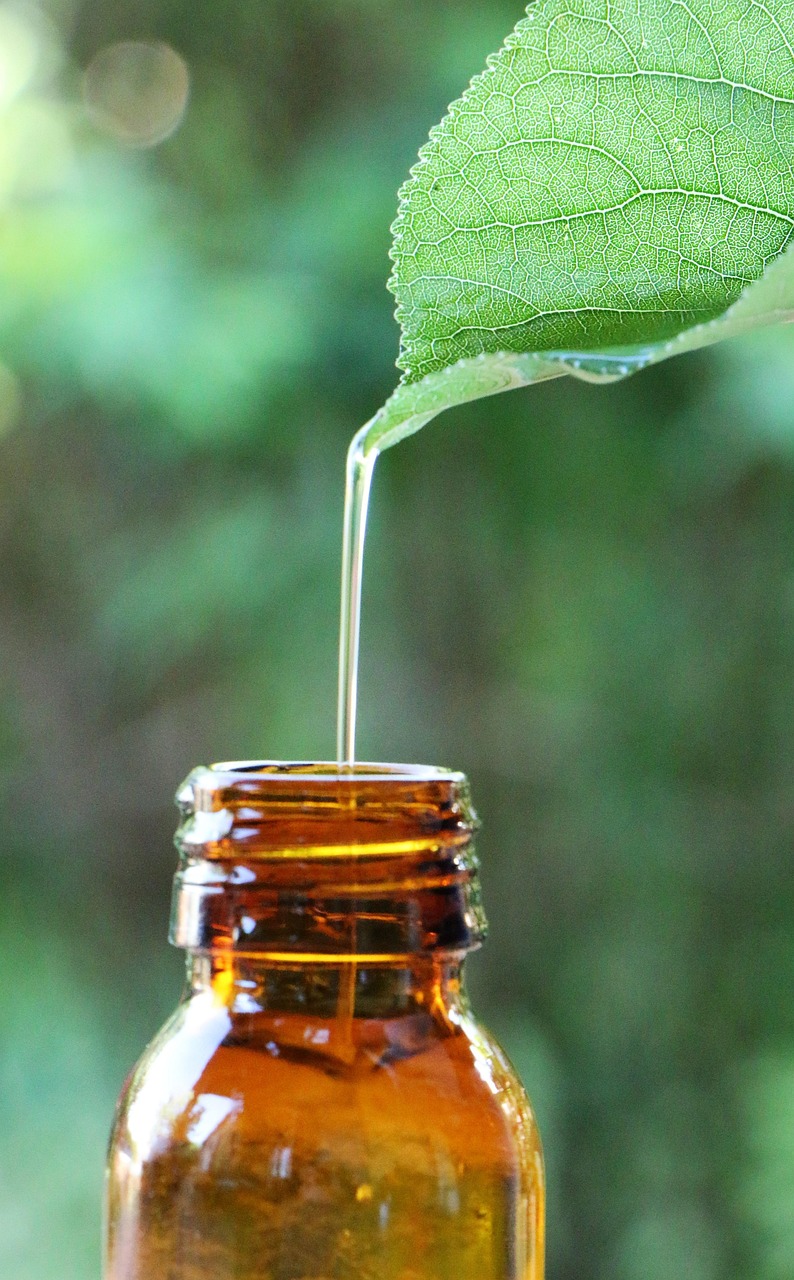
Pure essential oils are concentrated volatile compounds that can leach chemicals from plastic containers over time and can degrade certain plastics. Dark glass, specifically amber or cobalt blue, is the industry standard for storing and selling essential oils. It blocks UV light, which accelerates oxidation of citral and other sensitive constituents.
A supplier offering litsea cubeba oil in clear glass or any plastic container is not following basic quality packaging standards. This alone does not mean the oil inside is poor, but it suggests the supplier does not prioritize stability over the product's shelf life, which is a reasonable concern.
Dropper Orifice Reducers vs. Screw Caps
Most retail litsea cubeba essential oil bottles come with an orifice reducer insert that allows controlled drop-by-drop dispensing. This is appropriate for a product measured in drops for most personal use applications. For formulation work where you are measuring in grams or milliliters, an orifice reducer becomes inconvenient, and suppliers often offer the same oil in bottles with plain screw caps or in larger volumes with pouring caps.
For bulk or wholesale quantities, litsea cubeba oil typically comes in:
- 100 ml bottles with flip-top or screw caps
- 500 ml to 1 liter aluminum or dark glass bottles
- 1 kg, 5 kg, and 25 kg quantities in aluminum drums or high-density polyethylene (HDPE) jerricans specifically rated for essential oil storage
HDPE containers rated for essential oil use are acceptable for bulk storage, but confirm the rating with your supplier. Standard commodity plastic is not acceptable.
Fill Level and Headspace
Oxygen in the headspace of a bottle (the gap between the oil surface and the cap) accelerates oxidation. A reputable supplier fills bottles to minimize headspace. If you receive a bottle that appears to have lost significant volume with no damage to the seal, and the headspace is large, that is worth noting and potentially raising with the supplier.
Storage Best Practices After Purchase
Once you have your oil, proper storage preserves the quality you paid for:
- Store in a cool, dark location. A drawer, cabinet, or dedicated essential oil storage box works well. Avoid windowsills, countertops with direct light exposure, or any location near heat sources.
- Keep caps tightly closed. Litsea cubeba oil is highly volatile and will evaporate faster than heavier oils if left unsealed.
- Refrigeration extends shelf life but is not mandatory for most retail quantities used within 12–18 months. If you refrigerate, allow the bottle to return to room temperature before opening to minimize condensation inside the bottle.
- Once opened, use within 12–18 months for best aromatic integrity. Unopened, well-stored litsea cubeba oil can remain usable for 2–3 years, though it will gradually lose aromatic intensity as citral content declines with oxidation.
- Label opened bottles with the date you first broke the seal.
Choosing the Right Size for Your Needs
Buying a larger bottle to save money per milliliter only makes sense if you will use the oil within its effective shelf life. A 100 ml bottle at a lower per-ml cost is a poor investment if you use litsea cubeba oil slowly and the last third of the bottle has degraded by the time you reach it. Match your purchase size to your realistic consumption rate.
For most home enthusiasts and small formulators making occasional batches of soap, candles, or personal care blends, a 30 ml bottle represents a practical balance of economy and freshness. For production-scale soap or candle makers, bulk purchasing becomes economically essential. See our bulk buying guide for a detailed breakdown of volume thresholds and supplier relationships.
Matching Your Purchase to Your Intended Use
Not every litsea cubeba oil purchase has the same requirements. The ideal oil for a soap maker is not identical to the ideal oil for a fine fragrance blender or a diffuser enthusiast, and understanding these distinctions helps you ask the right questions and evaluate suppliers against the right criteria.
For Diffusion and Aromatic Room Use
If your primary use is adding litsea cubeba to a diffuser for a bright, citrus-forward atmosphere in your home or workspace, the most important qualities are aroma integrity and freshness. GC/MS documentation matters less here than it would for a commercial formulator, but you still want oil from a supplier who can confirm it is pure and unadulterated.
For diffusion use, a 10–30 ml bottle from a reputable retail supplier is appropriate. Focus your evaluation on the aroma, the supplier's transparency about sourcing, and the basic label standards described earlier.
For Personal Care and DIY Cosmetics
When litsea cubeba oil goes into a product that contacts skin, purity becomes a higher priority. Synthetic additives or carrier oil adulterants change the performance and feel of your finished product. For facial preparations, body oils, and rinse-off products, you want oil with documented citral content and a clean constituent profile.
Dilution is essential for any skin application. Litsea cubeba oil is a potent sensitizer for some individuals due to its high citral content. A general formulation guideline from IFRA suggests usage levels below 0.7% for leave-on products and up to approximately 1.6% for rinse-off products, though these limits are subject to periodic revision and you should consult current IFRA guidelines directly. Always conduct a patch test on a small skin area before wider application, and introduce litsea cubeba into any formula at conservative levels.
People with known citrus sensitivities or a history of skin reactivity should approach high-citral oils with particular caution and consult a qualified professional before use.
For Soap Making
Litsea cubeba is a popular choice in cold-process and hot-process soap making because its high citral content survives saponification better than most citrus peel oils. A vivid lemon scent in finished soap is notoriously difficult to achieve with lemon or orange peel oils, which lose their aromatic character almost entirely during the soap-making process. Litsea cubeba is a widely used solution to this problem.
For soap making, you need oil that is cosmetic grade (not fragrance grade, which may contain synthetic additions) and ideally supported by a current COA. Buy in quantities that match your batch frequency. A soap maker producing 10–20 loaves per month will typically work with 100 ml to 500 ml quantities on a rolling basis.
If you are evaluating litsea cubeba as an alternative to other citrus notes in your soap line, our comparison with lemon verbena is worth reading, as both oils serve a similar aromatic function at comparable price points.
For Candle Making
Candle applications require a slightly different evaluation lens. Litsea cubeba oil performs well in soy, coconut, and paraffin wax candles, contributing a strong citrus top note with reasonable hot throw. The high citral content means the scent reads as authentically lemony without the flat, synthetic quality of some fragrance-oil alternatives.
For candle use, fragrance-grade litsea cubeba oil is sometimes acceptable, depending on your brand positioning and customer base. If you market your candles as naturally scented or use purely essential oils as a selling point, verify that your supplier is not blending in synthetic fragrance compounds. This is an area where the label distinction between "essential oil" and "fragrance oil" matters enormously, and where a GC/MS report remains your most reliable verification tool.
For Professional Perfumery and Formulation
Professional perfumers and cosmetic chemists using litsea cubeba as a raw material in formulations need the highest standard of documentation. In this context, you will want lot-specific GC/MS reports, full COAs including heavy metal testing and pesticide residue data if the oil is not certified organic, IFRA conformance documentation, and ideally a safety data sheet (SDS) for workplace handling purposes.
Sourcing for professional formulation also raises the question of consistency across batches. A perfume formula built around a specific aromatic profile can be disrupted by a new batch with slightly different citral ratios or a shifted secondary constituent balance. Establishing a relationship with a supplier who can maintain reasonable batch-to-batch consistency, or at minimum alert you to significant variation, is part of the professional sourcing process.
A Note on Litsea Cubeba as a Citrus Anchor vs. Alternatives
If you are still deciding whether litsea cubeba is the right citrus note for your specific application, it is worth spending time with the comparisons. Our article on litsea cubeba vs. lemon oil covers the longevity and sillage differences in depth. For applications where cost is a primary consideration alongside aromatic character, our litsea cubeba vs. lemon verbena piece lays out the trade-offs clearly.
Your Pre-Purchase Checklist
Before you finalize any purchase of litsea cubeba oil, run through these points:
- Label check: Full botanical name (Litsea cubeba), plant part (fruit/berry), extraction method, country of origin, and lot number all present.
- Supplier transparency: Can the supplier answer specific questions about their sourcing region, distillation partner, and quality testing process? Do they answer promptly and with specifics rather than vague reassurances?
- Documentation: For any purchase over 30 ml or for any cosmetic or formulation use, request a GC/MS report and COA for the specific lot. Confirm citral content is in the expected 70–85% range.
- Pricing sanity check: Cross-reference against the price ranges in this guide and in our dedicated price guide. Prices dramatically below market average warrant further investigation.
- Packaging standards: Dark glass bottle (amber or cobalt), tamper-evident seal, proper dropper or cap for the volume.
- Aroma evaluation: Order a sample before committing to a large purchase from a new supplier. Trust your nose, knowing what the genuine oil should smell like.
- Shelf life awareness: Check the production or best-before date. Buy oil distilled within the last 12–18 months when possible.
- Size match: Buy a quantity you will realistically use within 12–18 months of opening.
- Intended use alignment: Confirm the grade and purity standard matches your application, whether that is home diffusion, personal care formulation, soap making, candle production, or professional perfumery.
- Safety awareness: Review IFRA guidelines for your specific application if the oil will be used in a product contacting skin. Consult a qualified professional if you have questions about appropriate usage levels.
Buying litsea cubeba oil well is a skill that builds with experience. Each supplier relationship you develop and each batch you evaluate adds to a working knowledge that makes future purchasing faster and more reliable. Start with smaller quantities from new suppliers, verify before you scale, and document your observations so you build a personal reference point for what quality in this category genuinely looks and smells like.
The oil rewards that attention. When you find a genuinely pure, well-distilled litsea cubeba oil, the aroma is unlike anything else in the citrus category: vivid, complex, and lasting in a way that justifies every question you asked to get there.