
Wholesale Litsea Cubeba Oil: Bulk Buying for Soap and Candle Makers
If you make soap or candles at any real volume, you already know that fragrance costs can quietly eat your margins. Litsea cubeba oil is one of the more cost-effective citrus-forward options in the market, but sourcing it well at bulk quantities takes more than finding the lowest price per kilogram. This guide walks through everything a soap or candle maker needs to know before placing a wholesale order: what quality actually looks like, which supplier red flags to take seriously, and how to match a price tier to your actual production needs.
Why Litsea Cubeba Works So Well in Soap and Candles
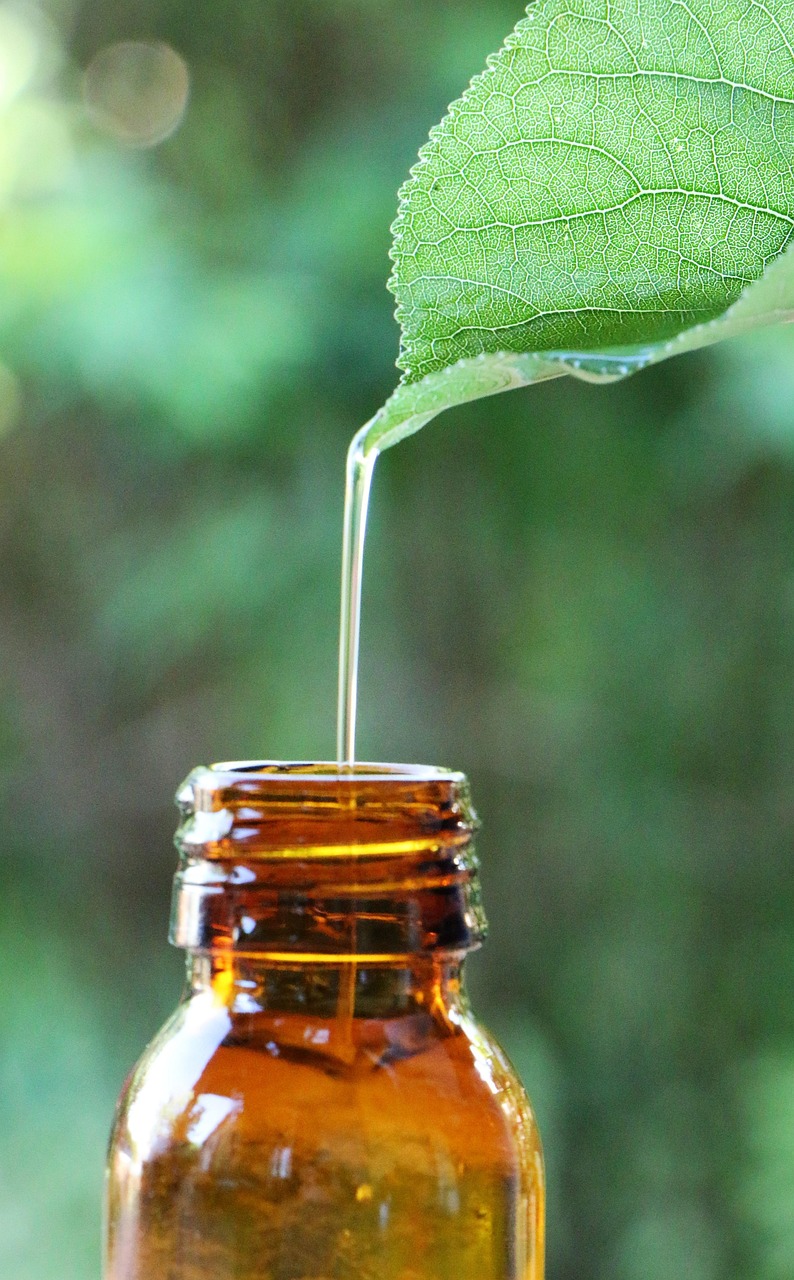
Litsea cubeba (also sold as may chang) is steam-distilled from the small pepper-like fruits of Litsea cubeba trees, native to East and Southeast Asia. Its scent is sharply lemony with a slightly floral, almost woody dry-down. That combination gives formulators something citrus oils often cannot: staying power.
In cold-process soap, pure lemon essential oil tends to fade quickly because limonene evaporates during saponification. Litsea cubeba is dominated by citral, a compound that holds up better through the lye process and survives cure time more reliably. In candles, especially soy or coconut wax blends, the citral note carries cleanly without going sharp or synthetic.
That is the short version of why bulk may chang oil appears on so many professional soap and candle supplier lists. The longer version involves knowing how to buy it correctly at scale.
Quality Indicators: What to Look for Before You Order
Buying wholesale litsea cubeba oil without vetting quality first is the fastest way to end up with a large quantity of something that will not perform in your formulas. These are the checkpoints that matter.
Gas Chromatography / Mass Spectrometry (GC/MS) Reports
Any credible litsea cubeba supplier will provide a GC/MS report for each batch, not just a generic one posted years ago on their website. The report shows the actual chemical composition of the oil you are purchasing. For litsea cubeba, citral content (a combined figure for geranial and neral) typically runs between 65% and 85% in a quality sample. Citral is the primary contributor to the characteristic lemony scent, so low citral usually means a diluted or adulterated oil.
Ask explicitly: is this GC/MS report batch-specific? If the supplier cannot answer yes, treat that as a yellow flag.
For a deeper look at how to read quality documentation, see our complete quality guide to buying litsea cubeba oil.
Specific Gravity and Refractive Index
These two physical measurements are often listed on a Certificate of Analysis (COA). Litsea cubeba oil typically has a specific gravity around 0.878 to 0.900 and a refractive index around 1.480 to 1.490. Numbers outside these ranges can indicate blending with a carrier oil or a solvent. Not every supplier volunteers this data upfront, but a reputable one will have it on request.
Appearance and Odor Description
High-quality litsea cubeba oil is a pale yellow to light golden liquid, clear, and free of haziness or particulates at room temperature. The scent should be bright and intensely lemony with a fresh quality, not flat, musty, or oddly sweet in a way that suggests synthetic blending. If a supplier sends a sample that smells primarily of lemon candy rather than fresh lemon zest, investigate further before committing to bulk volume.
Country of Origin and Distillation Traceability
Most commercial litsea cubeba oil is produced in China, with smaller volumes coming from Taiwan, Vietnam, and India. Chinese-origin oil is not inherently inferior. However, you want a supplier who can tell you the province of origin and ideally the distillation partner or cooperative they source from. That level of traceability signals a serious supply chain, not a spot-market operation that buys cheaply and resells quickly.
Key Features to Compare Across Suppliers
Once you have established that a supplier meets basic quality thresholds, the comparison work begins. These are the variables that actually differ between reputable wholesalers.
| Feature | What to Look For | Why It Matters |
|---|---|---|
| Minimum Order Quantity (MOQ) | 1 kg to 25 kg for wholesale entry | Lower MOQs let you test before committing |
| Packaging Options | Aluminum drums, HDPE jugs, or glass for smaller lots | Aluminum best preserves volatile compounds long-term |
| Shelf Life Guarantee | Minimum 2 years from production date | Litsea cubeba oxidizes; freshness affects performance |
| Certifications | ISO, IFRA compliance, organic (if required) | Needed for certain retail or B2B markets |
| Sample Policy | Paid or free samples before bulk order | Never skip testing a new supplier's oil in your formula |
| Lead Time | Stock vs. made-to-order | Production delays can stall your schedule |
Price Tiers: Matching Volume to Budget
Wholesale litsea cubeba oil pricing shifts considerably based on volume, origin documentation, and certification level. Here is a realistic breakdown of what the market looks like at different tiers.
Entry-Level Wholesale (1 kg to 5 kg)
This range suits small-batch producers testing a new supplier or scaling a product line cautiously. Expect to pay a premium per kilogram relative to larger orders. At this tier, look for suppliers who offer GC/MS documentation and sample vials, even if their MOQ starts at 1 kg. Many domestic essential oil distributors in the US, UK, and EU operate here. The trade-off is cost per unit; you are paying for flexibility.
Mid-Range Wholesale (10 kg to 50 kg)
This is where most serious soap and candle businesses land after their first year of using litsea cubeba regularly. Price per kilogram drops noticeably, and suppliers at this tier usually have more robust documentation practices. You will also start seeing options for custom packaging or private label at the higher end of this range. Aluminum drums of 25 kg are a common unit at this level.
Commercial Volume (100 kg and above)
At this scale, you are likely working directly with an importing broker or a manufacturer's export arm. Direct-source Chinese suppliers, particularly from Guangxi or Hunan provinces where litsea cubeba cultivation is concentrated, become accessible. Pricing is significantly lower per kilogram, but MOQs are firm, payment terms are different (often 30% deposit, balance before shipping), and lead times are longer. Quality assurance must be airtight at this volume because returns are not practical.
Red Flags to Avoid When Sourcing Bulk May Chang Oil

The essential oil wholesale market has its share of shortcuts and misrepresentations. These are the patterns worth recognizing before they cost you money or product quality.
- No batch-specific GC/MS available. A single generic report on a website tells you very little about the barrel you are actually receiving. Insist on batch documentation.
- Unusually low pricing with no quality explanation. Litsea cubeba has a real production cost. Pricing significantly below market average almost always reflects adulteration with synthetic citral, a cheaper carrier, or a different oil entirely.
- No physical address or traceable business registration. Legitimate bulk suppliers have a verifiable business presence. Check trade directories and look for import/export licensing information.
- Vague origin claims. "Natural litsea cubeba" without country of origin, region, or distillation method is not enough information for a serious buyer.
- Pressure to commit without samples. Any supplier discouraging you from testing before a bulk order has something to hide about consistency or quality.
- Expired or near-expiry stock sold at discount. Litsea cubeba oil oxidizes over time. An aging batch may smell different and perform poorly in your formulas.
Where to Buy Wholesale Litsea Cubeba Oil
Your sourcing path will depend on your location, volume, and how much vetting capacity you have. Here are the main channels and what each offers.
Domestic Essential Oil Distributors
For buyers in the US, UK, Canada, and Australia, domestic distributors import and repackage oils for the wholesale market. They typically offer good documentation, accessible customer service, and reasonable lead times. The trade-off is a higher price per kilogram compared to direct import. For most small and mid-sized producers, this is still the most practical starting point.
Direct Import from Source-Country Exporters
Platforms like Alibaba and Global Sources list dozens of Chinese exporters selling bulk may chang oil. The quality range is enormous. Never purchase from a new direct-source supplier without requesting samples, verifying business credentials, and confirming GC/MS documentation. A third-party lab verification of your sample, before placing a large order, is money well spent at this tier.
Essential Oil Trade Shows and Industry Events
Events like in-cosmetics, the World Perfumery Congress, or regional aromatherapy trade shows are excellent places to meet litsea cubeba suppliers face to face. You can often negotiate trial orders and build direct relationships with importers. These connections are particularly valuable if you are moving toward commercial volume.
Cooperative Buying Groups
Some soap and candle maker communities organize group buys to reach volume pricing thresholds. This works well for producers at the 1 kg to 10 kg stage who want mid-range pricing without the capital commitment of a large order. Online maker forums and craft business communities often coordinate these arrangements.
For a curated list of vetted online options, our online shopping checklist for litsea cubeba oil covers current platforms and what to check on each one before purchasing.
Packaging and Storage at Bulk Scale
How you receive and store bulk litsea cubeba oil affects how long it stays usable. A few practical points worth building into your purchasing decisions:
- Request aluminum or UN-certified HDPE containers for anything over 5 kg. These protect better against light and oxidation than plastic jerry cans.
- Store in a cool, dark location away from heat sources. Citral-dominant oils are sensitive to temperature fluctuations.
- Decant into smaller working quantities rather than repeatedly opening a large drum. Oxygen exposure accumulates with each opening.
- Date your stock on arrival and use older batches first. Even a quality oil has a finite window of peak performance.
Before You Commit to a Supplier
The single most useful step before placing a wholesale order with any litsea cubeba supplier is straightforward: test their oil in your actual formula at your actual scale. A 100-gram sample that performs beautifully in a test batch is worth more than any document or review.
If you are still sorting out how much to order before moving into true wholesale quantities, our guide on choosing the right size for your first litsea cubeba order can help you think through the math before you scale up.
Sourcing wholesale litsea cubeba oil well is less about finding the cheapest kilogram and more about finding a supplier whose documentation, consistency, and communication hold up over time. That reliability is worth paying for, and once you find it, it simplifies your production planning considerably.