
Where to Buy Litsea Cubeba Oil Online: A Shopper's Checklist
Litsea cubeba oil has earned a devoted following among perfumers, formulators, and home aromatherapy enthusiasts. Its clean, intensely lemony scent profile sets it apart from the more common citrus oils, and its staying power in a diffuser blend or lotion base is genuinely impressive. The challenge is that the market for this oil ranges from exceptional to outright poor, sometimes within the same price bracket. Knowing what to look for before you buy litsea cubeba oil online will save you money and frustration.
This guide walks through every factor worth checking: quality indicators, label red flags, where reliable suppliers tend to live online, and what you can reasonably expect at different price points. If you want to go deeper on quality standards before purchasing, the complete quality guide to buying litsea cubeba oil covers botanical sourcing and production standards in detail.
What Litsea Cubeba Oil Actually Is (and Why Sourcing Matters)
Litsea cubeba (also sold as may chang oil) is steam-distilled from the small, pepper-like fruits of Litsea cubeba, a shrub native to Southeast and East Asia. China is the dominant producer, with smaller volumes coming from Taiwan, Vietnam, and Indonesia. The fruit yields an oil that is exceptionally high in citral, the compound responsible for its sharp lemon character. Good citral content typically sits between 65% and 85% on a gas chromatography-mass spectrometry (GC-MS) report.
Why does origin matter to a buyer? Because the growing region, harvest timing, and distillation method all influence the citral percentage, the freshness, and the overall aromatic quality. An oil distilled carefully from fresh, ripe fruit smells bright and almost sparkling. An oil that was poorly stored, over-distilled, or adulterated with synthetic citral smells flat, harsh, or oddly similar to cheap lemon furniture polish.
The Quality Checklist: What to Look For
1. A Published GC-MS Report
This is the single most useful document a supplier can provide. A GC-MS report shows the chemical composition of the specific batch you are buying. Look for citral (usually listed as geranial and neral combined) in the 65-85% range. Other expected constituents include limonene, linalool, and small amounts of methyl heptenone. If a supplier cannot or will not share a batch-specific report, that is a meaningful gap in transparency.
Some suppliers post a generic report that applies to all batches indefinitely. This is better than nothing, but a batch-specific report dated within the past 12-18 months is the gold standard. Our guide on reading a litsea cubeba label and GC-MS report explains exactly how to interpret those numbers before you order.
2. Clearly Stated Botanical Information
A credible listing will include:
- Latin name: Litsea cubeba
- Plant part: fruit (sometimes listed as berry)
- Extraction method: steam distillation
- Country of origin
- Batch or lot number
If you see only a common name like "may chang" without the Latin name and origin country, the supplier may be cutting corners elsewhere too.
3. Appropriate Packaging
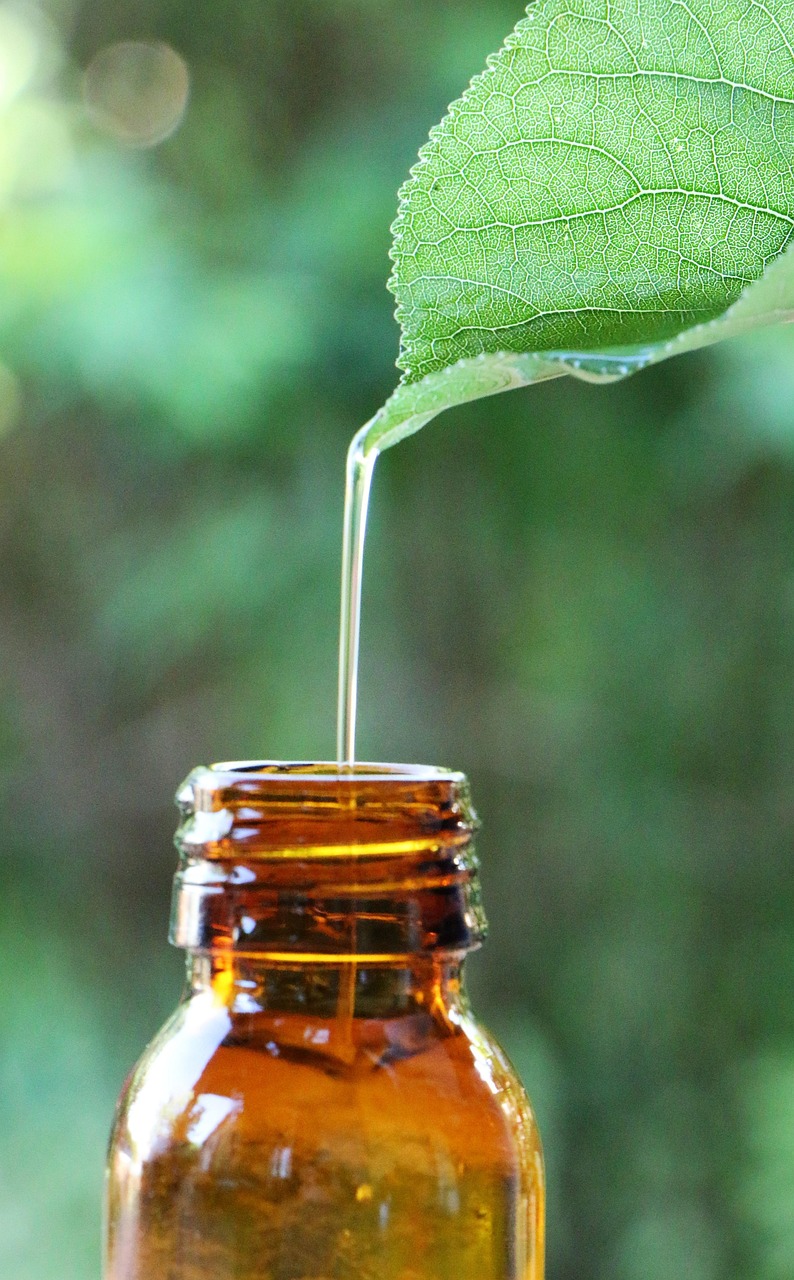
Litsea cubeba oil is high in citral, which oxidizes when exposed to light, heat, and air. Amber or cobalt glass bottles with tight-fitting orifice reducers are the appropriate packaging. Avoid clear glass bottles and any product that arrives with a loose or ill-fitting cap. Oxidized litsea cubeba loses its characteristic brightness and can become more likely to cause skin sensitivity in topical applications.
4. Honest Shelf Life Guidance
Quality suppliers typically recommend using litsea cubeba oil within 1-2 years of opening and note that refrigerated storage extends freshness. If a product page says nothing about shelf life or storage, that is a minor but telling omission.

Key Features to Compare Across Suppliers
| Feature | What Good Looks Like | What to Question |
|---|---|---|
| GC-MS report | Batch-specific, downloadable PDF | No report, or a generic undated document |
| Latin name on label | Litsea cubeba clearly stated | Only "citrus oil" or vague "lemon oil" |
| Origin | Country named (China, Vietnam, etc.) | "Blended" or origin not disclosed |
| Packaging | Amber/cobalt glass, orifice reducer | Clear glass, plastic dropper bottle |
| Price per ml | $0.30-$1.20 per ml (typical range) | Suspiciously cheap (<$0.15/ml) |
| Customer service | Responds to batch and sourcing questions | No contact info or scripted non-answers |
Red Flags to Avoid

The essential oil market has no shortage of misleading listings. Here are the patterns worth watching for when you shop for litsea cubeba oil online.
Suspiciously Low Prices
Pure, well-sourced litsea cubeba oil is not an expensive oil, but it is not nearly free either. Listings offering 30ml for under $3.00 are almost certainly adulterated with synthetic citral or diluted in a carrier oil without disclosure. At those price points, what you are smelling may be mostly a lab-produced aroma chemical rather than true steam-distilled fruit oil.
"100% Pure" Without Any Supporting Documentation
The phrase "100% pure" is unregulated and costs nothing to print on a label. Reputable suppliers back that claim up with third-party testing. The claim alone, unsupported by a GC-MS report or third-party certification, tells you very little.
Vague or Mismatched Common Names
Litsea cubeba is sometimes confused with or deliberately substituted by lemongrass, lemon myrtle, or synthetic lemon fragrance oils. If the listing uses the name interchangeably with these other oils or does not state the Latin name, investigate further before buying.
No Returns or Satisfaction Policy
Established suppliers stand behind their products. A complete absence of any return or satisfaction policy is a signal worth noting, particularly for a first purchase from an unfamiliar brand.
Where to Buy Litsea Cubeba Oil Online: Platform Overview
Dedicated Aromatherapy and Botanical Retailers
This is the most reliable category. Suppliers who specialize in essential oils tend to invest more in sourcing relationships, testing infrastructure, and staff knowledge. They typically offer batch-specific GC-MS reports, detailed botanical information, and knowledgeable customer support. Prices are fair rather than cheap. Examples in this space include suppliers like Stillpoint Aromatics, Eden Botanicals, and Tisserand Aromatherapy, among others.
Natural and Organic Marketplaces
Sites that aggregate natural product brands can be useful, but quality varies by the individual brand rather than the platform. Apply the same checklist regardless of where you find the listing. A strong brand on a general marketplace is still a strong brand. A weak brand with no documentation is still a weak brand.
Amazon and General E-Commerce Platforms
You can find reputable brands selling litsea cubeba oil on Amazon. You can also find a great deal of product that would not pass a basic quality check. The key is to look up the brand independently, find their GC-MS reports on their own website, and cross-reference before purchasing through a general marketplace. Positive reviews alone are not a substitute for documentation.
Direct from Distilleries
A small number of suppliers sell directly from source farms or distilleries, primarily out of China and Vietnam. These can offer excellent value and traceability, but the buying experience may require more legwork: verifying credentials, asking for documentation, and sometimes navigating language differences. For buyers who want the highest level of supply chain visibility, this route is worth exploring.
Top Picks at Different Price Points
Rather than naming specific products (which change stock, pricing, and quality over time), the most useful framework is a tier-based approach.
Entry Level: $5-$12 for 10ml
At this tier, you should still expect a GC-MS report and proper amber glass packaging. Several solid brands offer introductory sizes at this price. This is a smart starting point if you are buying litsea cubeba oil for the first time and want to evaluate the scent before committing to a larger bottle. See our notes on choosing the right bottle size for your first order before deciding.
Mid Range: $10-$25 for 30ml
This is the sweet spot for most home formulators and diffuser enthusiasts. At this tier you will find well-documented oils from reputable specialty suppliers. The price-per-ml is reasonable, the documentation is usually thorough, and the quality is consistently good when you buy from an established name.
Professional and Bulk: $30+ for 100ml and above
Cosmetic formulators, candle makers, and soap crafters who use litsea cubeba in volume should look at bulk suppliers who cater to the trade. Pricing per ml drops significantly at this scale. Documentation expectations should increase accordingly: request a full certificate of analysis (COA) and ideally a safety data sheet (SDS) in addition to GC-MS data.
A Final Word on Building Supplier Relationships
The best way to shop for essential oils online is to find two or three suppliers whose transparency and quality meet your standards, and then stick with them. Once you have a supplier who answers questions readily, provides batch-specific documentation, and ships well-packaged product consistently, the buying process becomes much simpler.
Before placing any order, take five minutes to email or message the supplier with a specific question about the current batch. How they respond tells you almost as much as the documentation itself. Suppliers who are proud of their sourcing love talking about it.
Litsea cubeba is one of the more distinctive and rewarding oils to work with. Getting a great bottle starts with knowing exactly what to ask for, and now you do.