Does Litsea Cubeba Oil Go Bad? How to Tell by Smell
Open a bottle of litsea cubeba that has sat at the back of a shelf for a year and the first thing to check is the lemon. That bright, lemon-drop top note is the part of the oil you buy it for, and it is usually the first thing to dull, long before anything looks wrong in the bottle. Your nose is a better guide than any date.

Litsea Cubeba Essential Oil
Our own Litsea Cubeba Essential Oil, in sizes from 0.5 oz to bulk.
From $12.99
Shop Now →What is happening inside the bottle
Essential oils are mixtures of small, lively molecules, and those molecules react slowly with oxygen. The Tisserand Institute names oxygen, light and heat as the causes, and adds that the more air there is in the bottle, the faster the oil oxidises. The reactions create new compounds, including peroxides, that change the smell and, the Institute notes, raise the risk of adverse skin reactions. The same page puts the typical keeping time at "at least 1 to 2 years" before oxidation starts to take effect, with a range from about one year to several, and calls those rough guidelines. We say much the same about our litsea cubeba: typically 1 to 2 years, tightly capped, in a cool, dark place.
Litsea cubeba is mostly citral, the pair of molecules geranial and neral, so it is natural to wonder how citral copes with heat and air. We do not have a litsea shelf-life study to point to, but one 2026 study heated and UV-exposed lemongrass oil, another citral-rich oil, in small sealed vials for 48 hours. Geranial and neral held steady or crept up in the percentage tables, while the lighter myrcene fell from about 10 to under 4. That was a short test in a sealed vial with little air, so it is not a shelf-life figure, but it suggests that the lighter, fleeting notes in an oil are the ones to watch, and that is also the character you smell first as "fresh".
How to tell if yours has turned
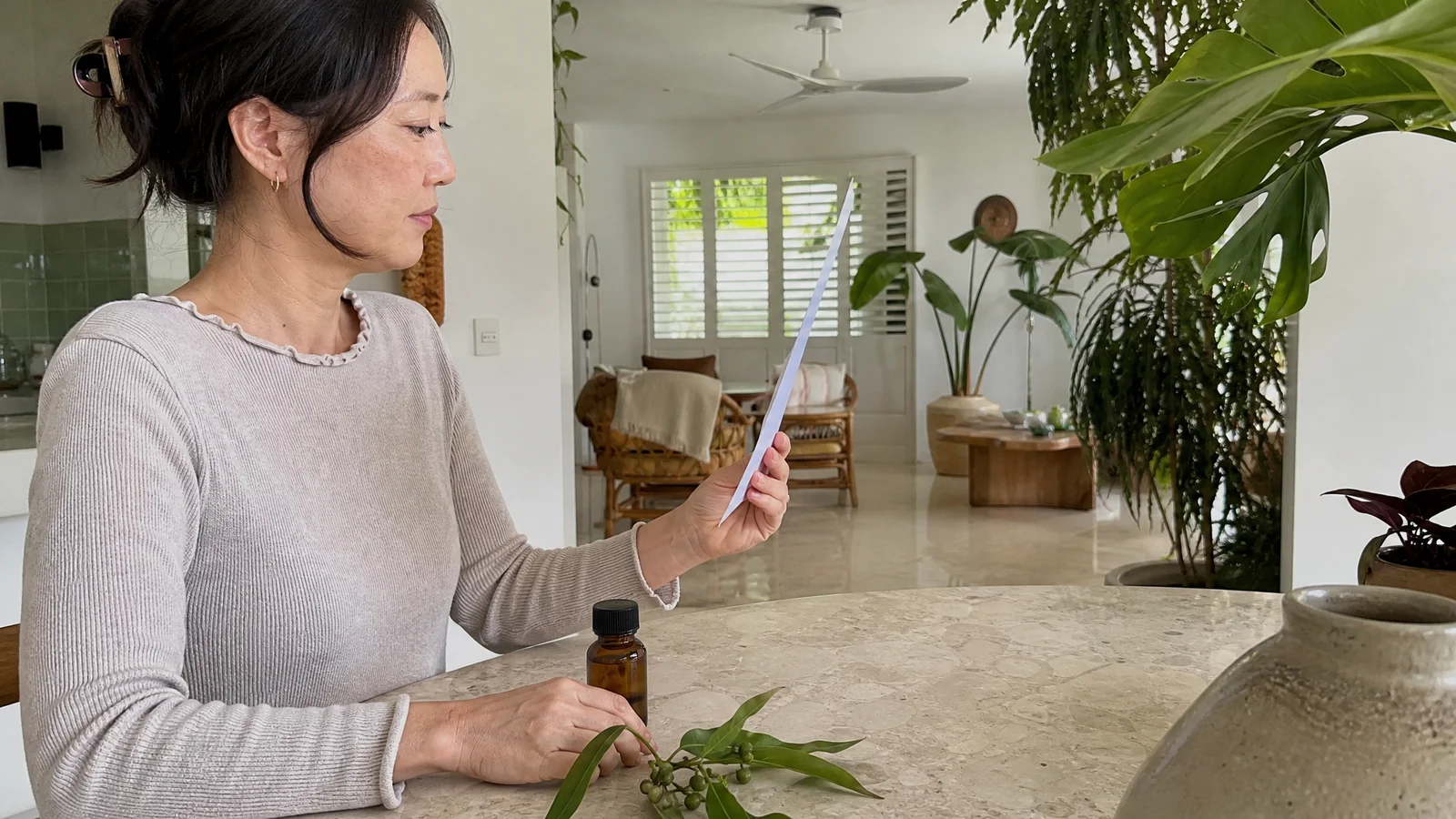
- Smell first. Put a drop on a clean strip of paper, or compare with a newer bottle if you have one. A tired oil smells flatter, sharper or oddly stale rather than sparkling. Tisserand notes you may only notice the change next to a fresh oil.
- Cloudiness. The Institute says citrus oils sometimes turn cloudy as they oxidise because a little moisture has entered the bottle. Litsea is not a citrus, but it is a lemon-scented oil that we would treat the same way.
- Thickness and stickiness. Very old oils can become more viscous and eventually solidify, though that usually takes years. A tacky ring around the neck of the bottle is a sign the cap has not been sealing well.
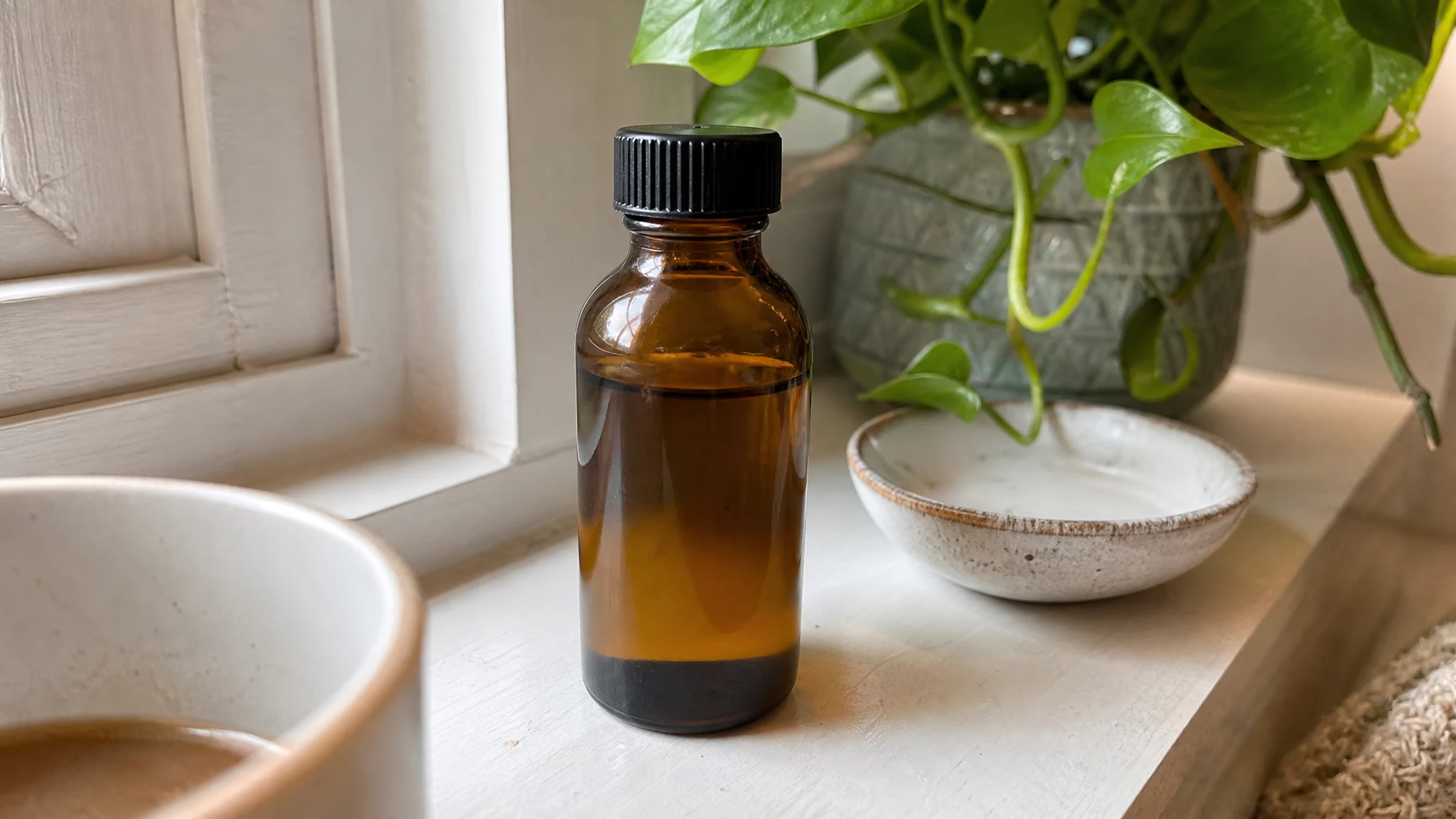
- Colour. The Certificate of Analysis we publish describes the batch it covers as a light yellow liquid, so a clear darkening from the shade you first saw is worth noticing. Colour alone proves little, so let your nose make the call.
What to do with an oil you doubt
Keep it away from skin. Oxidised terpenes are a known source of skin reactions: a 2026 dermatology study of linalool, a minor component of litsea oil at roughly 1 to 2 percent, found that its air-oxidised hydroperoxide form caused allergic reactions in sensitised patients at very low concentrations. Citral is already one of the more common fragrance sensitisers, so we recommend a fresh oil, not a questionable one, for anything that touches skin, and we stay with our guidance of 0.5% to 2% in a carrier with a patch test first. A one-ounce bottle holds about 590 drops, so if you only use a few at a time a smaller size can make sense (see which bottle size to start with).
Keeping it bright
All of this points to a short list. Cap it tightly right after each use. Keep it out of light and away from the stove, a sunny sill or a hot car. Decant working amounts into a smaller airtight bottle so the main bottle is opened less and holds less air, which is what we suggest to bulk buyers. Write the date you opened it on the bottle. The Tisserand Institute says refrigeration will about double an oil's useful life; if you try it, let the bottle come to room temperature before opening, since moisture is one of the things that encourages oxidation (that last step is our reasoning from their list, not their instruction). More on this in how to store litsea cubeba oil, and you can see exactly what our published Certificate of Analysis does and does not show in what the certificate shows.
A bottle of litsea cubeba is not a time bomb. Treated gently, it stays cheerful for the year or two we describe, and when the sparkle fades you will know it by smell well before anything else tells you.
Litsea Cubeba Essential Oil
Litsea Cubeba Essential Oil from our own shop, in sizes from 0.5 oz to bulk.
From $12.99
Shop Now →Sources & Further Reading
- Tisserand Institute, Is my bottle of essential oil oxidized or no longer good to use?
- Tisserand Institute, Oxidation and the Shelf Life of Essential Oils
- Brexó RP et al., 2026, ACS Omega, Can Temperature and UV Exposure Alter the Antimicrobial Properties of the Essential Oils? An Investigation of Origanum vulgare, Cymbopogon citratus, Syzygium aromaticum, and Lippia sidoides.
- Botvid et al., 2026, Contact Dermatitis, Repeated Exposure to Hydroperoxides of Linalool Induces Immunologically Verified Allergic Contact Dermatitis.
- Si L et al., 2012, Molecules, Chemical composition of essential oils of Litsea cubeba harvested from its distribution areas in China.